

A trailer needs more than a solid frame to work well over time. It requires dependable parts that shield both the trailer structure and whatever sits on it. At اذهب مقطورة, we have learned through years of building components that good hardware turns a tricky loading job into something straightforward. Whether the trailer carries a boat across water or moves heavy tools and materials, adding proper Side Rollers ranks among the most worthwhile improvements any owner can make.
Application Scenarios: Where and Why You Need Side Rollers
Side Rollers do far more than dress up a trailer. They handle definite tasks that come up again and again during loading and transport. Knowing where they prove most useful helps show why they belong on many setups.
Marine and Boat Loading Precision
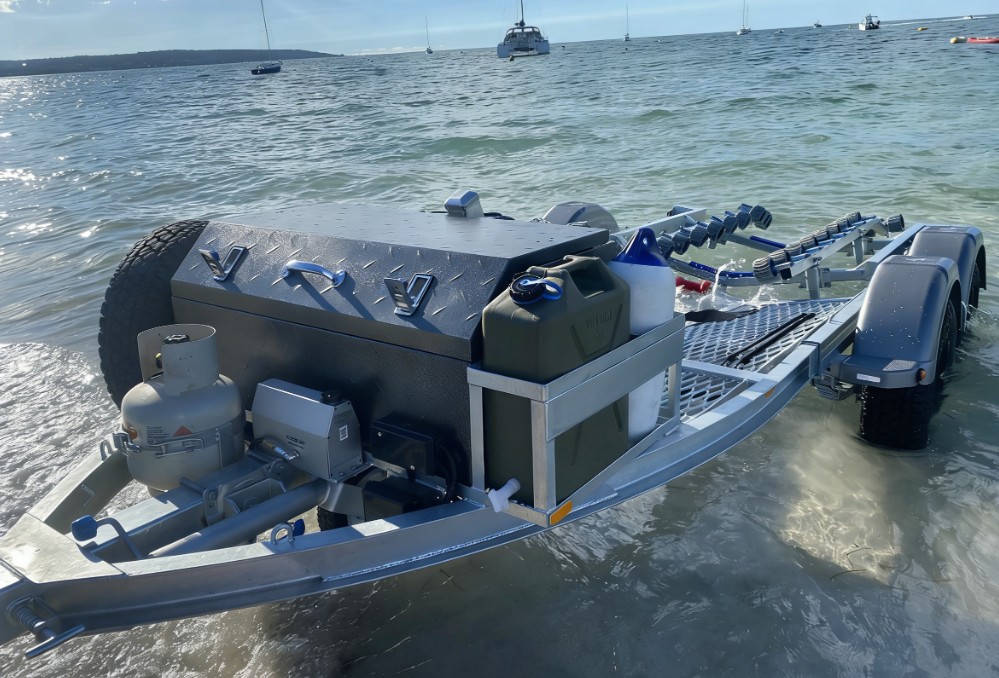
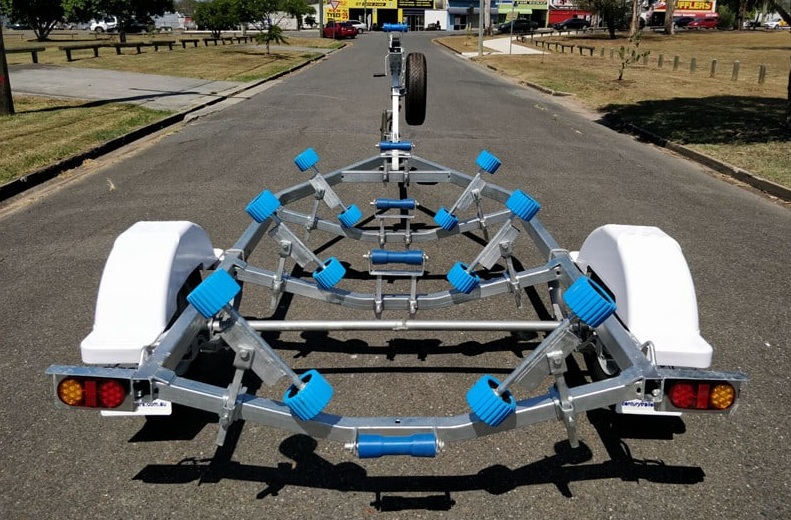
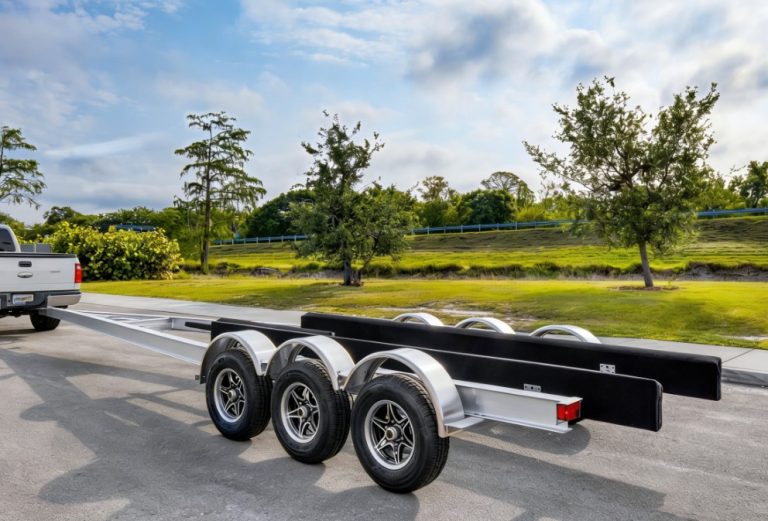
مقطورات القوارب see Side Rollers more than any other type. Wind or current often pushes a boat sideways while it slides onto the bunks. Side Rollers serve as steady guides that hold the hull straight down the middle of the trailer. That keeps the boat from banging against frame rails, which otherwise chips fiberglass or dents metal over repeated use.
Protecting Equipment on Utility and Flatbed Trailers
Utility trailers frequently haul long pipes, large machines, or stacks of lumber. During the loading stage, cargo can shift sideways and scrape against sharp edges. Side Rollers give a rolling surface instead of a hard corner. Heavy pieces glide into position without gouging the trailer deck paint or leaving marks on the load itself.
Reducing Friction and Structural Wear
Loading and unloading the same way time after time rubs paint off and starts rust in those spots. Side Rollers cut the wear by turning sliding contact into a rolling motion. The difference shows up clearly in confined spaces such as narrow sheds or crowded storage yards, where even a small scratch against a wall adds up quickly.
Go Trailer Side Rollers: Product Features and Advantages
Picking the right Side Roller comes down to materials and build quality. Over more than 15 years, Go Trailer has fine-tuned its production methods to create rollers that stand up to tough conditions year after year.
High-Performance Material Selection
We choose materials that match the job and surroundings:
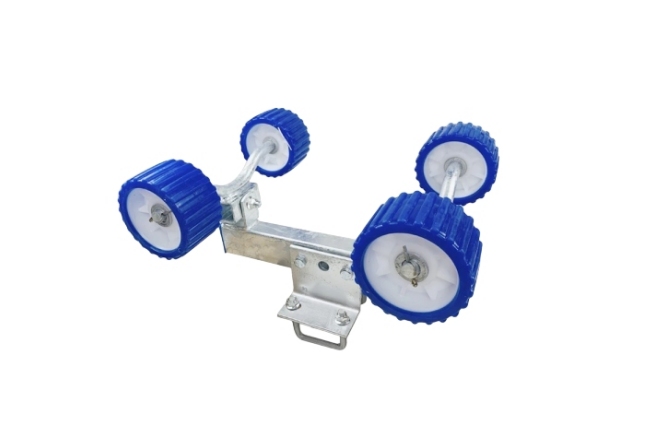
- PU (Polyurethane): Tough, leaves no marks, works especially well with expensive boat hulls.
- Rubber: Provides strong grip plus cushioning, suited to heavy utility loads.
- EVA & TPR: Combines give with good resistance to sun, rain, and temperature swings.
Heavy-Duty Load Capacity and Durability
Each Go Trailer Side Roller handles real force. Standard versions carry a Max Payload of 750kg, so they take lateral pressure from big loads without bending or breaking. Galvanized coatings cover the metal parts and stop rust, even when trailers sit near saltwater or face road salt in winter.
Customized Solutions for Professional Requirements
No two hauling jobs look exactly alike. Go Trailer offers full factory support for custom orders. Clients send drawings, old part numbers, or measurements, and we produce Side Rollers that match the trailer exactly—right down to material hardness, roller diameter, or bracket shape. That fit saves time during installation and delivers performance tailored to the actual work.
How to Install Trailer Side Rollers: A Professional Step-by-Step Tutorial
A careful installation routine helps the rollers last longer and protects the load better.
Step 1: Preparation and Tool Gathering
Park the trailer on flat ground and block the wheels so it cannot roll. Gather the tools most often needed:
- A strong drill plus bits made for steel.
- Socket wrench set in common sizes.
- Measuring tape along with a marker that shows clearly on metal.
- Good galvanized bolts and nuts that lock in place.
Step 2: Determining the Optimal Mounting Position
Measure across the widest section of the usual load. On a boat, that point is normally the chine or the middle of the hull. Mark spots on the trailer frame where the roller will touch the cargo most during loading. Install rollers in pairs—one per side—so guidance stays even from left to right.
Step 3: Attaching the Mounting Brackets
Line the bracket up with the marks made earlier. Check whether existing holes in the frame match the bracket pattern. If holes do not line up, drill new ones through the steel carefully. Go Trailer suggests heavy reinforced brackets because they support the full 750kg side load our rollers handle.
Step 4: Installing and Securing the Side Roller
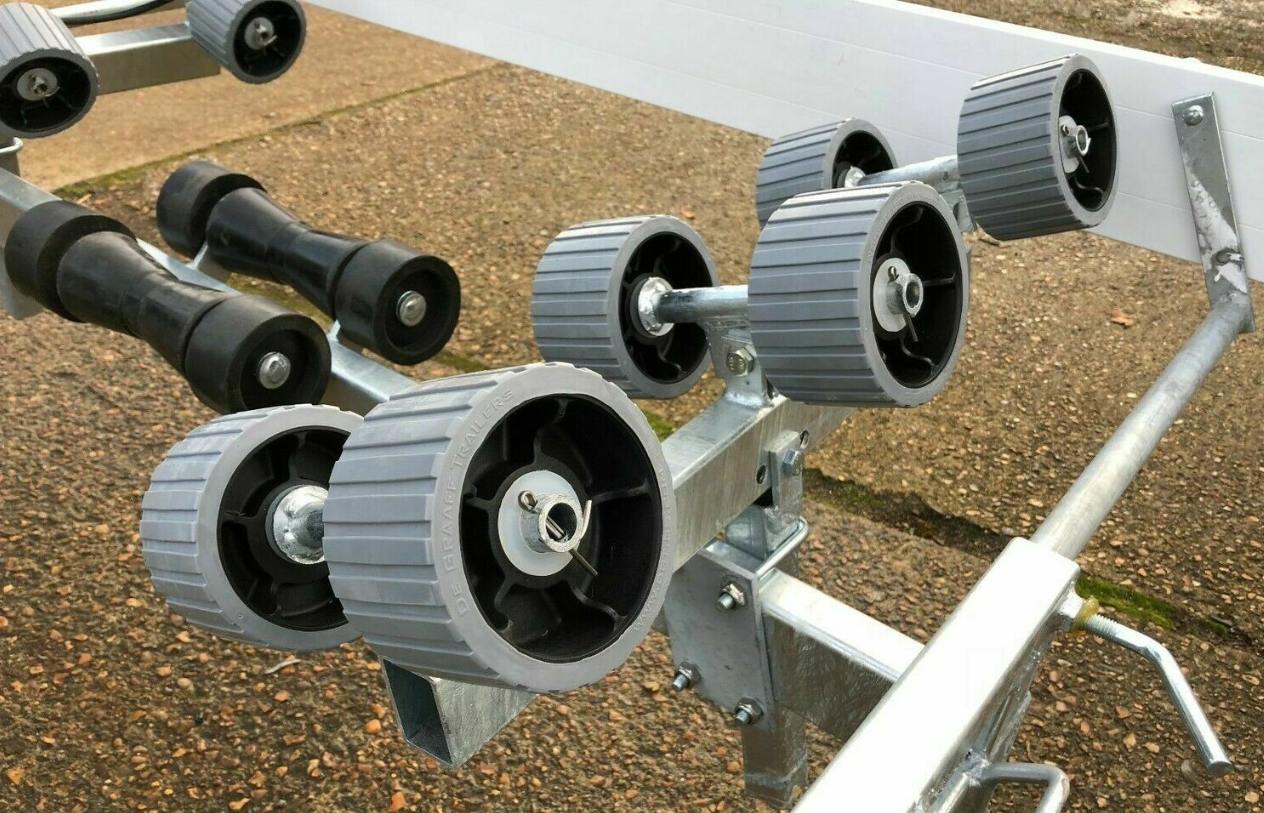
Slide the Side Roller onto the bracket axle. Fasten it with washers and either split pins or locking nuts. Spin the roller by hand to confirm it turns smoothly with almost no side movement. For custom orders, verify that the gap between roller and frame matches the planned clearance.
Step 5: Final Calibration and Testing
After both rollers sit in place, run a trial load. Ease the boat or equipment onto the trailer slowly. Watch how the rollers guide the load and make sure contact happens without sticking or scraping. Raise or lower the bracket slightly, or adjust the angle, until the roller hits the sturdiest area of the cargo.
About Go Trailer: Your Trusted Manufacturing Partner
Go Trailer operates from Qingdao, China, and brings more than 15 years of focused work in trailer components. Our shop runs a complete line that covers CNC machining, laser cutting, plus dedicated areas for electrophoresis and spray finishing. ISO9001 certification backs our quality system, which includes sample checks before full runs and final inspections on every shipment. We supply wholesalers and distributors in many countries with parts they can count on.
خاتمة
Fitting professional Side Rollers improves safety and makes loading quicker. With the Go Trailer, you get 750kg payload capacity plus a choice of proven materials built to hold up. Standard off-the-shelf rollers sometimes fall short when jobs demand a precise fit.
Contact our team to talk over your needs and receive a clear quote.
- Email: admin@gotrailerpart.com
- Phone: +86 0532 68976869
FAQ
Q: What is the most durable material for a trailer Side Roller?
A: Durability varies with the job. PU (Polyurethane) lasts long on boat trailers since it resists marks and holds up under sunlight. Rubber gives a better grip for heavy utility work where looks matter less. Go Trailer supplies PU, Rubber, EVA, and TPR so customers can pick what fits their conditions best.
Q: How do I know if my Side Roller needs replacement?
A: Check rollers at least yearly. Look for cracks in the outer material, flat, worn patches that stop smooth turning, or heavy rust on the axle and bracket. A roller that binds or drags can scratch cargo and wear other parts faster.
Q: Can Side Rollers be installed on both aluminum and steel trailer frames?
A: They fit both kinds of frames. On aluminum, use stainless steel bolts or coated hardware to avoid corrosion between metals. Confirm the mounting spot has enough strength to carry the expected side load.
Q: What is the benefit of a 750kg payload rating for a Side Roller?
A: That rating means the roller stands up to strong sideways force without failing. During windy boat launches or when heavy machines shift a little, the higher capacity keeps the roller and bracket from bending or giving way under pressure.


 Arabic
  English
  Spanish