

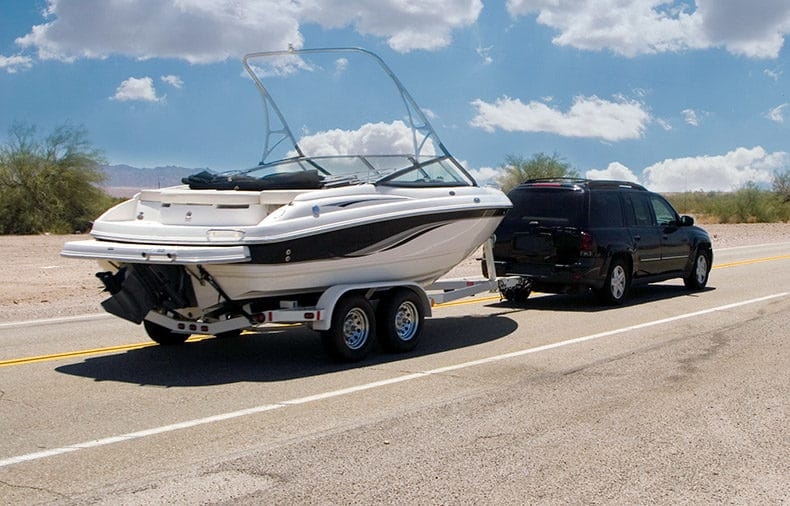
Every boat owner enjoys a good day out on the water. Yet the real test often comes back at the ramp when you winch the boat onto the trailer. You expect a steady, even turning sound from the rollers. Instead, many hear a rough scraping noise. That sound usually means the bottom roller has worn down and needs attention.
اذهب مقطورة has manufactured trailer parts in Qingdao, China, for over 15 years. The company focuses on safety and steady quality, so the move from water to storage stays straightforward. Catching roller wear early helps keep the boat’s hull in good shape.
The Critical Role of the Bottom Roller in Hull Protection
The bottom roller makes first contact and carries most of the boat’s weight along the keel as it moves from water onto the trailer. It cuts down friction and gives a rolling surface that helps guide the boat into place. When owners overlook this part, small problems can quickly turn into bigger hull repairs.
Understanding the “Grind”: Signs of a Worn-Out Roller
Spotting trouble with a roller before it harms the boat makes maintenance much easier.
- Flat Spots: The boat’s weight sits on the same area while stored, so the roller can develop permanent dents that stop it from turning freely.
- Material Degradation: Sunlight and salt water break down rubber or plastic over time. Cracks appear, and the inner metal shaft shows through.
- Difficulty Loading: If the winch suddenly feels much harder to turn, the roller has probably stopped moving.
- Grinding Noises: A loud screech or scrape tells you the roller no longer spins, and the hull now drags across a fixed surface.
How Friction Leads to Catastrophic Hull Damage
Once a roller stops turning, the boat’s hull—often fiberglass with a thin gelcoat layer—rubs directly against the trailer or the stuck roller.
- Gelcoat Erosion: In one bad loading, the outer protective coating can wear away. Water then reaches the fiberglass underneath and causes further damage.
- Stress Fractures: A roller with flat spots gives uneven support. Road vibration during highway travel can create small cracks in the keel over time.
- Metal-on-Hull Contact: When the roller material wears away completely, the hull touches the steel shaft inside. This leaves deep scratches that cost a lot to fix properly.
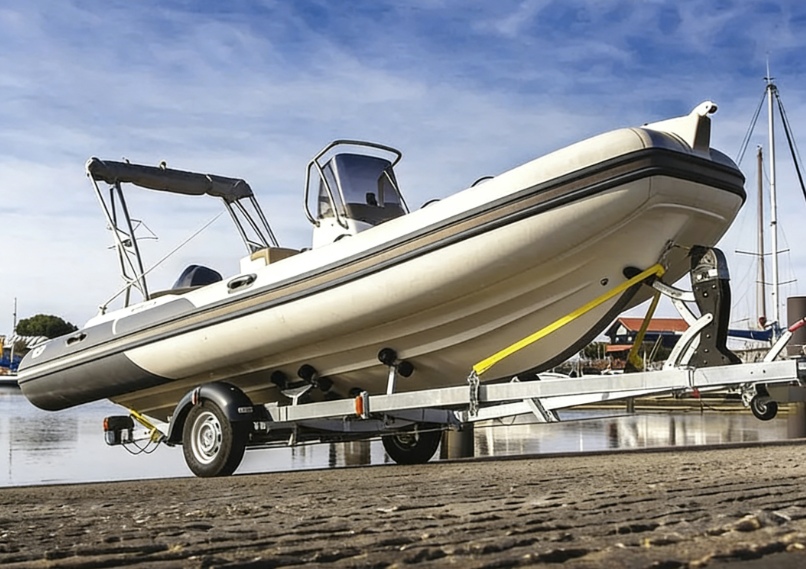
Go Trailer Bottom Roller: Engineering the Smooth Glide
Go Trailer builds bottom rollers with everyday durability and simple operation in mind. The factory uses modern equipment such as CNC machines and laser cutting to keep every piece consistent.
Premium Material Science: PU, Rubber, and TPR Advantages
Different boats need different roller materials, so several choices are available.
- Polyurethane (PU): These rollers suit heavier fiberglass boats well. They stay firm and resist flattening even under steady pressure.
- Rubber and TPR: They offer good grip on aluminum hulls yet remain soft enough to avoid marks.
- EVA Options: These stay light and springy, which works nicely for smaller craft or jet ski setups.
- Size Specifications: Standard bottom rollers measure φ69.5×202mm with a φ17mm inner hole. Each roller weighs about 0.41kg, or 0.85kg when the axle is included, giving solid contact along the keel.
Solving the Problem of Non-Slip and Non-Marking Transportation
Cheap rollers often leave dark streaks on light-colored hulls. Go Trailer offers non-marking versions in blue or black to avoid this issue.
- Application Scenario: In areas with strong currents during launch, the grip from TPR rollers helps hold the boat straight even when water pushes from the side.
- Smooth Movement: The carefully sized inner hole lets the roller turn easily with light lubrication, even when supporting up to 750kg, so loading stays simple.
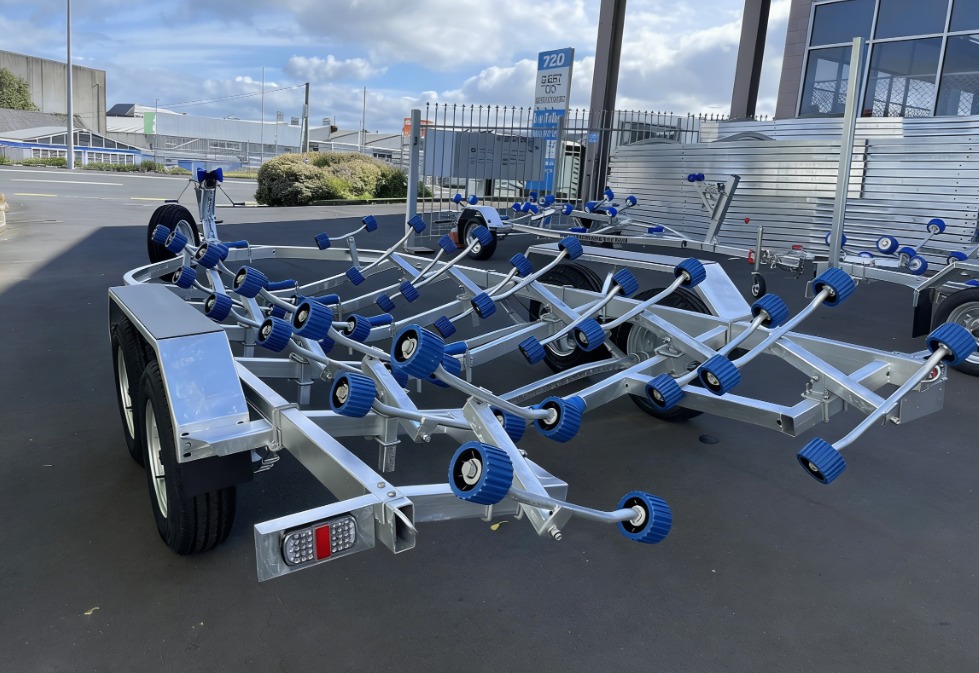
The Ultimate Carrying Solution: The Go Trailer 5250mm Boat Trailer
The roller handles contact, but the trailer itself forms the main support. For reliable protection, the 5250mm×1500mm مقطورة القوارب provides a solid base.
Structural Integrity and Payload Specifications
This trailer fits many medium-duty marine hauling needs.
- Payload Capacity: It carries up to 750kg, which covers a range of recreational boats and jet skis.
- Durability: A galvanized frame resists rust in saltwater conditions.
- Safety Features: Options include different braking systems and LED lights for better visibility on longer trips.
Integrated Roller Groups for Balanced Support
Basic trailers sometimes rely on just a few contact points. This model uses groups of rollers instead.
- Weight Distribution: Sets such as 24 or 22 roller groups spread the boat’s weight across four to eight rollers rather than concentrating it.
- Solved Problem: Even pressure reduces dents or bending in the hull during months of storage, so the boat stays in better shape longer.
The customized Advantage: Tailoring Trailers to Your Vessel
No two boats match exactly, so Go Trailer offers full customization from one factory source.
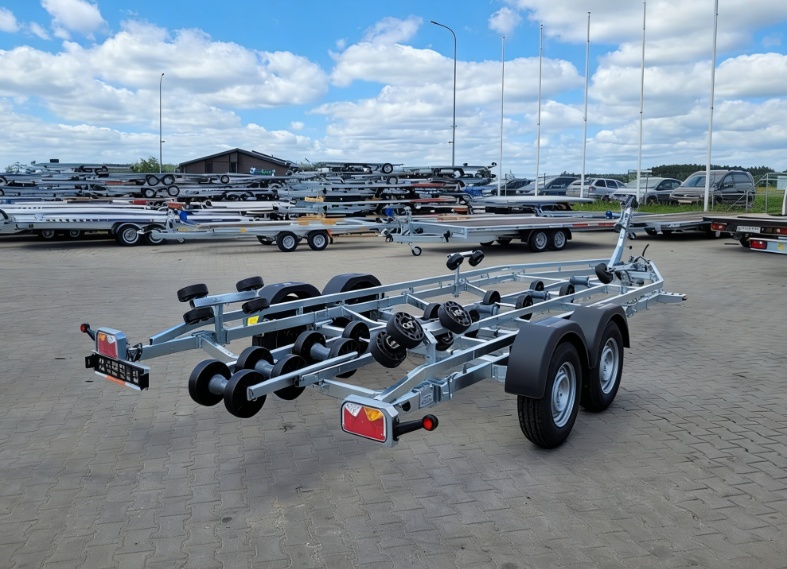
One-Stop Customized Fabrication Process
The team manages every step from raw materials to finished details.
- Expert Consultation: Technicians discuss your needs, whether that means a different winch setup or a wider axle.
- Advanced Engineering: Access to many quality parts lets them build trailers that fit real-world requirements.
Customized Material and Size Selection for Global Standards
Almost any part can adjust to local rules or boat designs.
- customized Roller Groups: Change the material from PU to rubber and adjust the number of rollers to suit your hull’s thickness.
- customized Suspension: Pick leaf spring styles or axle types—disc-braked or standard—based on your tow vehicle and typical roads.
- customized Finishes: Galvanizing comes standard, but electrophoresis or paint finishes add extra protection or a preferred look.
Invest in Quality, Stop the Grind
A small maintenance part should never risk a costly hull repair. Checking the bottom rollers regularly helps everything last. When you work with Go Trailer, you draw on years of production experience, modern equipment, and a practical approach to safety.
Contact Go Trailer today for a customized quote on the 5250mm boat trailer or high-performance bottom rollers. Protect your boat the way it deserves.
FAQ
Q: How often should I inspect or replace my trailer’s bottom rollers?
A: A full check once a year works for most owners. If you trailer in salt water often or launch several times each week, look at the rollers every few months. Watch for flat spots, cracks, or anything that no longer turns freely.
Q: What is the benefit of using Polyurethane (PU) rollers over traditional Rubber rollers?
A: PU rollers hold up better under heavy loads and resist flat spots on fiberglass boats. Rubber rollers give more grip on aluminum hulls but can wear more quickly in hot or high-friction conditions.
Q: Can I replace just the roller, or do I need to replace the entire bracket and axle?
A: If the bracket shows no rust or bends, you can usually swap only the roller and inner axle. Go Trailer supplies rollers alone or with the axle included at 0.85kg total weight, which keeps the job straightforward.
Q: Why is my boat trailer leaving black marks on my hull, and how can I stop it?
A: Black streaks often come from standard rubber rollers that break down and transfer color to the gelcoat. Switching to non-marking PU or special TPR rollers stops the marks and keeps the hull clean during loading and unloading.
 Arabic
  English
  Spanish