

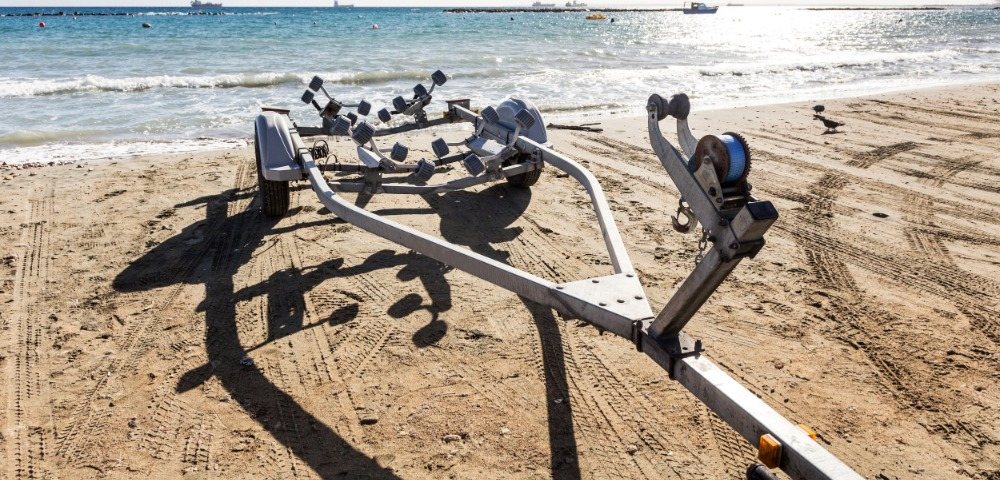
Picture this: you just spent a perfect day on the lake, the sun is dropping low, and now you have to pull the boat out. You hook up the winch and start cranking. Suddenly, the hull catches, jerks, or drags hard across the trailer. That awful grinding noise makes you wince because you know every scrape is money out of your pocket. Most of us spend plenty of time worrying about the winch, the axle, or the coupler, yet the real workhorse hiding underneath the keel rarely gets any credit – the humble bottom roller.
This plain-spoken guide from اذهب مقطورة explains exactly what a bottom roller does, why a good one keeps your hull safe for years, and how the right roller turns a sweaty fight into a quick, almost lazy roll on and off the water.
Defining the Bottom Roller
What is a bottom roller?
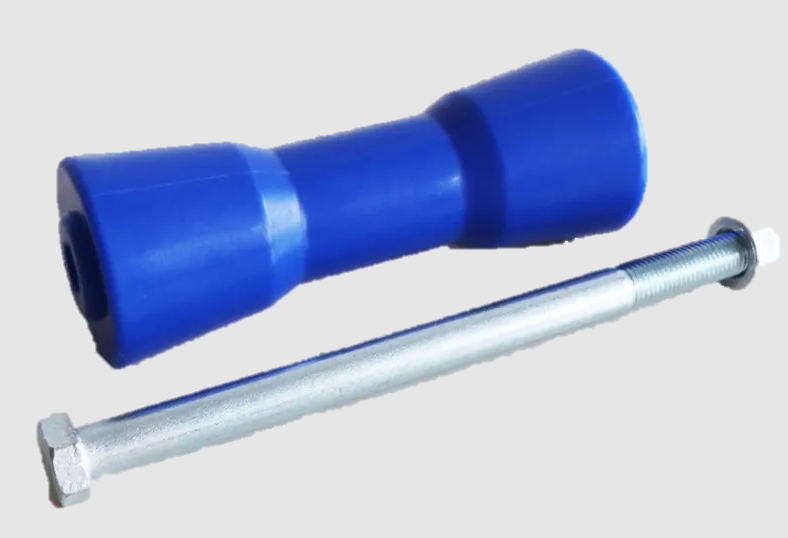
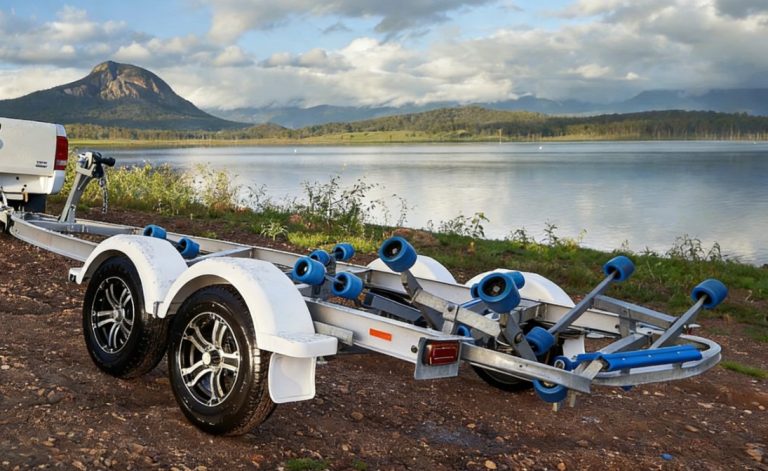
It’s nothing fancy – just a tough cylinder mounted dead-center on the trailer frame. Its job is to carry the keel (that strong backbone running down the middle of the bottom of your hull) while the boat slides on or off. Side bunks hold the boat once it’s loaded, but until then, nearly all the weight rides on this one roller, and it also keeps the boat tracking straight down the middle of the trailer.
Go Trailer roller styles
We stock pretty much every style you might need because no two boats are exactly alike. Whether your hull is fiberglass, aluminum, deep-V, or modified-V, we have rollers that fit. You’ll also find our boat trailer wobble rollers here for the sides when you want extra help keeping things steady on a steep ramp.
Materials for durability
Good rollers live a hard life – saltwater, baking sun, and thousands of pounds pressing down, trip after trip. That’s why ours are molded from heavy-duty polyurethane, rubber, or marine-grade PVC. Cheap rollers go flat, split, or lock up after a season or two. We build every roller in our own factory with automated equipment and real engineers who actually use boats themselves, so nothing leaves the line unless it can take the punishment.
Essential Function and Importance
The unsung hero uncovered
“Unsung hero” fits perfectly. That single roller down the middle quietly carries the whole show while you’re winching. If it doesn’t spin freely or sits a hair out of line, friction shoots through the roof, and you end up yanking twice as hard – or worse, something breaks.
Critical hull protection
Without a proper roller, the keel drags straight across steel cross-members. One weekend of that and you’ll see gelcoat scratches, deep gouges, or even cracked stringers on a fiberglass boat. Spend the money once on a real Go Trailer roller, and the hull just glides instead of grinding. Owners tell us they used to touch up the keel every spring; now they don’t even think about it.
Retaining perfect alignment
A smooth-spinning roller acts like a railroad track for the keel. On a windy day or crooked ramp, it stops the boat from wandering sideways and smacking a fender or light. When the bow finally kisses the bow stop, everything sits exactly where it should, and the weight spreads evenly for the ride home.
Effortless Boat Launching
Reducing friction dramatically
When it’s time to splash the boat, low friction is everything. Our rollers let the boat float off with almost no push at all. Your winch cable stays happy, your back stays happy, and the boat doesn’t suddenly drop the last foot when a sticky roller finally lets go.
Easy roll into the water
Because the boat rolls instead of sticking, you barely have to dunk the trailer. Keep the hubs and axle bearings drier, especially in saltwater, and those expensive parts last years longer. On a busy weekend, that also means you’re not holding up the line backing in to the axles.
Saving physical energy and time
Nobody wants to spend twenty minutes muscling a 4,000-pound boat that refuses to move. Give the handle a couple of easy turns or press the button on an electric winch, and the boat practically puts itself away. More time fishing, less time swearing.
Getting the Hang of Easy Boat Loading
Controlled retrieval process
Pulling the boat back on is where cheap rollers really show their colors. As the bow climbs the ramp, the keel meets that roller first. A good one lets the boat roll up smooth and steady instead of hopping, sticking, or banging over every cross-member.
Minimizing loading damage
We’ve seen boats literally twist on the trailer because the keel hung up on one side. That sideways force can bend brackets or crack a hull. Keep the roller spinning and greased and the boat tracks straight, settles gently against the bow stop, and sits down on the bunks as it belongs there.
Using Go Trailer winches
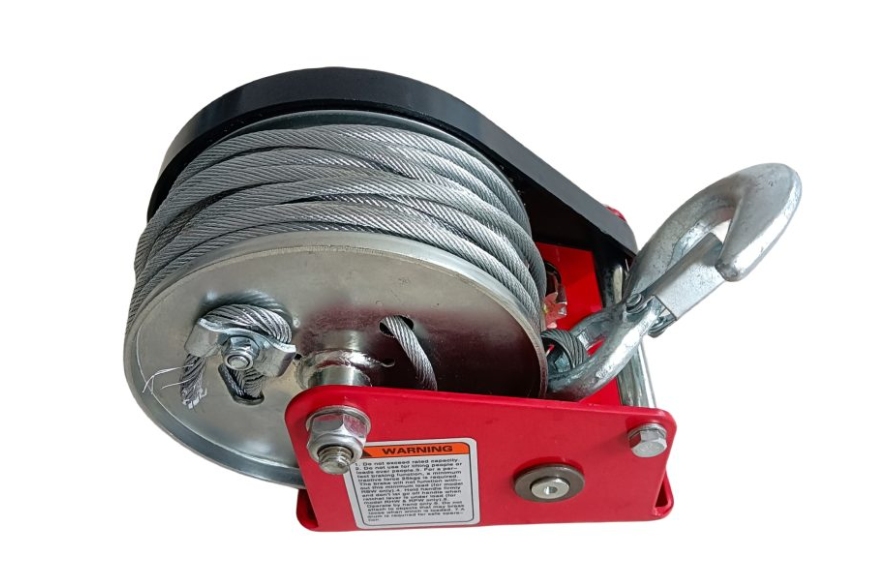
A great roller deserves a great winch. Our 1500 رطل حبل الأسلاك ونش with 10 m or 20 m galvanized cable handles most boats without breaking a sweat. Step up to the 2000lbs Electric Winch (136:1 gear ratio) or the 3500lbs Heavy-Duty Electric Winch (same 136:1 ratio), and you can load a wet boat on a steep ramp without even getting out of the truck. Everything we make is designed to play nice together.
Choosing Your Go Trailer Roller
Value of quality components
Rollers sit under a crushing weight and never get a day off. Cheap ones develop flat spots in a single season and then act like brakes. After 22 years of building trailer parts, we know exactly how to mold a roller that keeps its round shape and keeps spinning season after season.
Correct fit checking
The roller has to match your bracket and spindle exactly – too loose, and it wobbles, too tight, and it won’t turn. Measure the shaft diameter and the length between the brackets. Still not sure? Send us a couple of quick photos, and we’ll tell you the right part number in minutes.
Go Trailer customization available
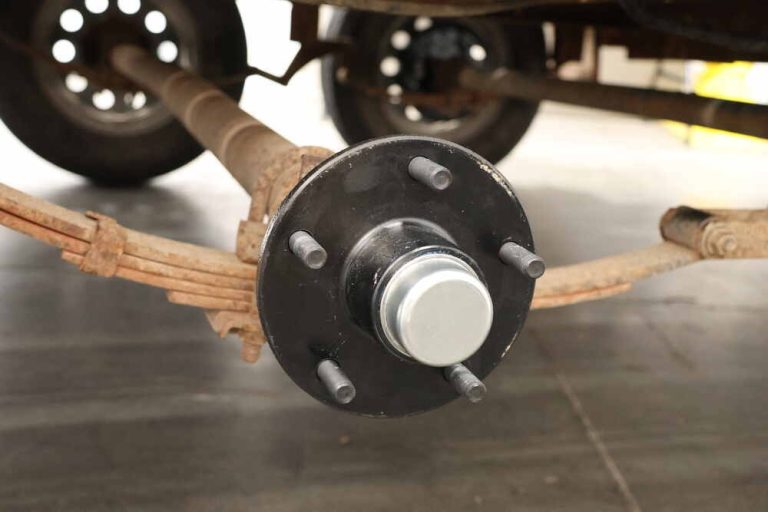
Need an odd size or a special color to match your trailer? No problem. We build rollers, jockey wheels, winches, and axles to order every day. Deal directly with the factory and skip the middleman headaches.
خاتمة
It’s only a small chunk of rubber or polyurethane, but the bottom roller decides whether trailering your boat is a pleasure or a chore. It soaks up the shocks, kills the friction, and keeps the keel pointed straight. Pick a real Go Trailer roller, and you’ll wonder why you ever put up with scraping and fighting. Come see the difference for yourself – quality that actually lasts, prices that make sense, and people who boat just like you do.
FAQ
Q: What does a boat trailer’s bottom roller do?
A: It supports the boat’s keel during loading and launching, keeps everything centered, cuts friction, and stops the hull from getting scratched or gouged.
Q: Why should I choose Go Trailer bottom rollers?
A: We mold them from tough polyurethane or rubber that laughs at salt, sun, and heavy weight. Twenty-two years of building parts means you get something that simply works – year after year.
Q: How do I select the right bottom roller?
A: Match the shaft size and the space between your brackets. The roller should spin smoothly with almost no side play. Confused? Just ask – we’ll get you the perfect fit.
Q: What materials work best for boat rollers?
A: Marine-grade polyurethane, rubber, and PVC. They flex under load, shrug off UV, and don’t crack when the temperature swings.
 Arabic
  English
  Spanish