

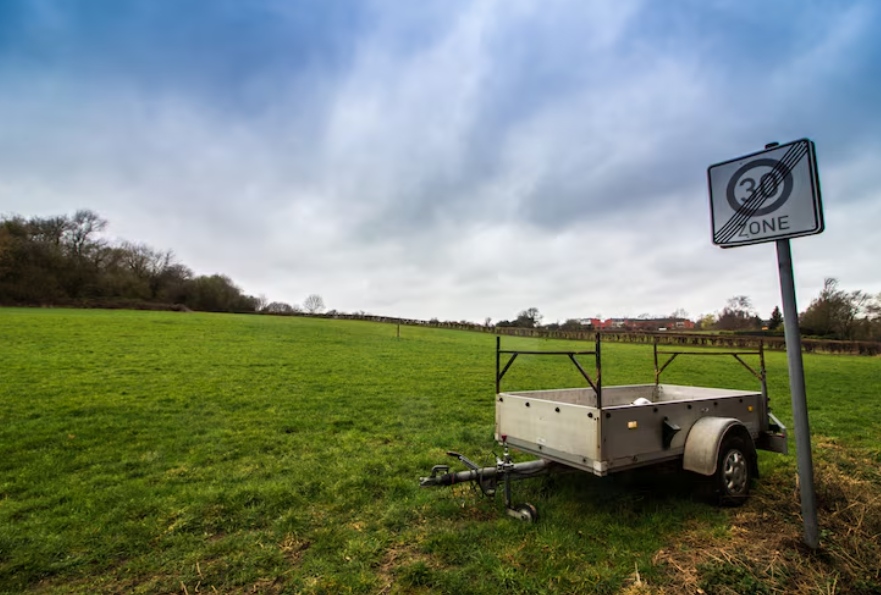
Picture yourself driving along the road with a heavy cargo, and suddenly you notice a strange wobble or a loud metal snap each time you go over a rough spot. Your trailer’s suspension plays a vital role in every trip, soaking up bumps and keeping your load safe. One of the most dependable suspension kinds is the Single Eye Slipper Spring, also known as the C-hook spring. Still, like any part made of metal, these springs wear down after a while. Figuring out when to swap them out matters not only for upkeep but also for staying safe.
في اذهب مقطورة, we focus on making top-notch trailer components, with a strong emphasis on sturdy suspension setups. As a skilled maker located in Qingdao, China, with more than 15 years in the field, we know the tough conditions your trailer deals with.
Key Signs Your Single Eye Slipper Springs Need Replacement
Spotting a weak spring soon can help you avoid expensive stops on the side of the road or risky mishaps. Here are the main clues that your Single Eye Slipper Springs have come to the end of their useful time.
Visible Cracks and Fractures
The clearest hint of trouble is actual breaks in the material. As time passes, the ongoing bending of the steel layers causes weak spots to form.
- Individual Leaf Cracks: Look at each layer in the group; even one broken layer cuts down the spring’s ability to handle weight a lot.
- The Eye Area: Give extra attention to the “eye” part of the spring where it links to the hanger. This spot takes the heaviest strain and tends to break easily.
- Hairline Fractures: Shine a light to search for tiny, web-like marks that show the metal is getting tired.
Sagging and Loss of Ride Height
If your trailer appears lower on one side or the back end sits too low, the springs have lost their strength.
- Flattening of the Arch: Single Eye Slipper Springs come with a certain bend to offer springiness. If the spring seems straight or bends the wrong way, it fails to hold up the weight anymore.
- Uneven Trailer Level: Check the space from the trailer frame to the ground on each side. A difference often means the spring on one side is giving out.
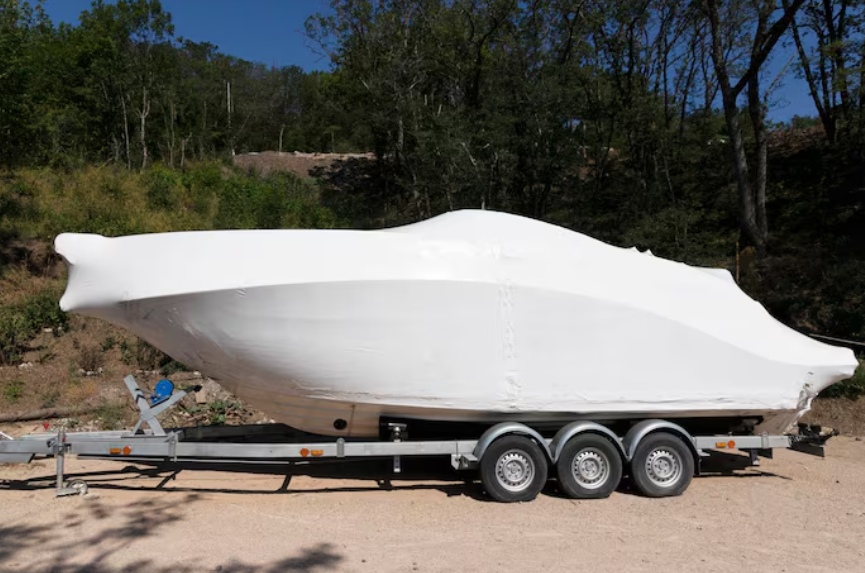
Unusual Noises and Rough Handling
Your trailer ought to behave in a steady way. If the ride turns bumpy or unpredictable, the suspension likely causes it.
- Metallic Clanging: A “slipper” spring functions by letting the flat (C-hook) end move against a plate. If the spring gets thin or snaps, you might hear strong metal clashing sounds.
- Excessive Bouncing: If the trailer keeps jumping well after a bump, the springs no longer absorb shocks properly.
- Tire Scrubbing: Worn springs may make the axle move a bit, causing odd tire wear or rubbing on the inner tread.
Corrosion and Excessive Rusting
While light rust shows up often, heavy decay poses a real danger to the structure.
- Flaking Steel: If rust makes the steel peel away in sheets, the spring’s strength is weakened.
- Pitting: Deep holes in the metal act as starting points for breaks, especially under big loads.
How to Conduct a Comprehensive Spring Inspection
Routine looks are key for any trailer owner. You do not have to be an expert to do a simple check on your Single Eye Slipper Springs.
Visual Inspection Steps
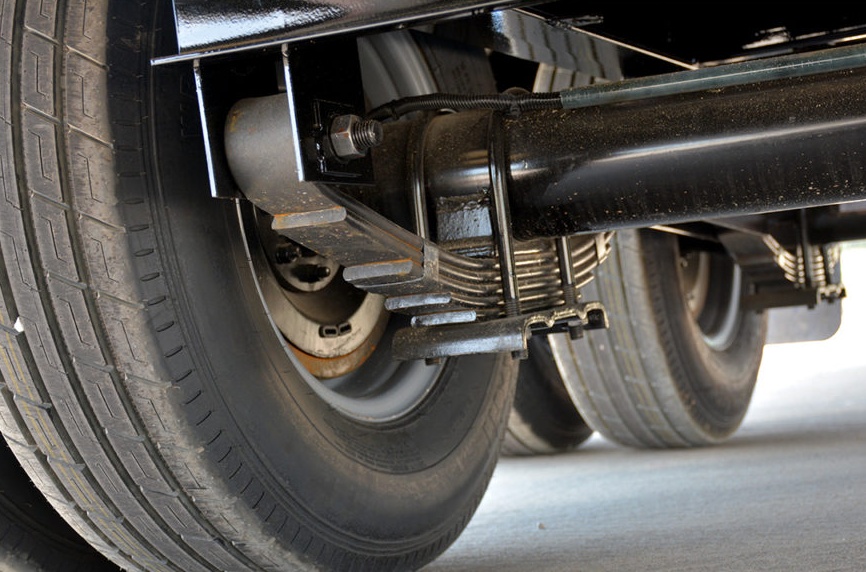
- Clean the Springs: Grab a brush to clear off dirt and thick buildup from the road, so the metal shows clearly.
- Check the “Slipper” End: Make sure the C-hook end fits right in its spot and has not cut a deep mark into the trailer frame.
- Examine the Center Bolt: Confirm the bolt that holds the layers is secure and not broken.
- Look for Leaf Separation: There should be no big spaces between the layers in the group.
The Measurement Check
- Unloaded Arch Height: Gauge the upright distance from the eye’s center to the top of the layer stack when the trailer sits empty. Match this against the starting specs.
- Alignment Check: Measure from the hitch to the axle’s middle on both sides. If the numbers vary, the springs might have moved because of wear in the eye or a snapped center pin.
The Go Trailer Advantage: High-Performance Springs
When replacement time comes, picking the right maker counts a lot. Go Trailer provides a selection of Single Eye Slipper Springs built for “higher capacity” and “better weight” spread.
Premium Durability and High Capacity
Our lineup features several strong choices to match various trailer styles:
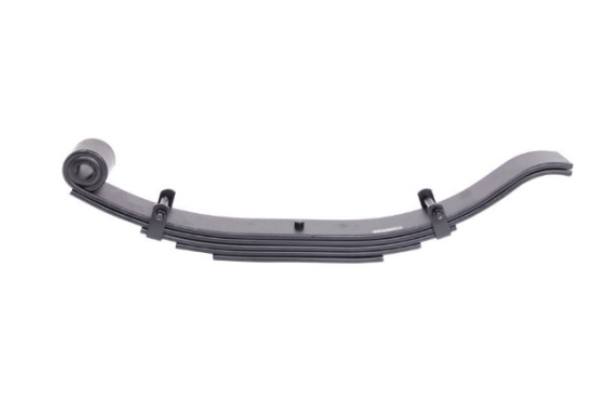
- 4 Leaf Single Eye and Slipper Spring: Suited for regular utility trailers.
- 5 Leaf Single Eye and Slipper Spring: Gives a mix of bend and strength for carrying loads.
- 6 Leaf Single Eye and Slipper Spring: Made for tough jobs that need the most toughness.
Customized Solutions for Your Specific Needs
We get that each trailer differs. That explains our stress on customized service options. At Go Trailer, you pick the details of your springs on your own.
- Customized Leaf Count: Select the layer number according to your exact cargo needs.
- Customized Material and Size: We adjust the thickness, width, and material type to make the spring work well in your particular setting.
- Customized Modes: Our skilled workers team up with you to include choices that fit your wants, managing everything from getting raw materials to the last touches.
Why Choose a Professional Manufacturer Like Go Trailer
Dealing straight with a maker such as Go Trailer brings benefits that a typical seller cannot provide.
- Quality Assurance: Our items are produced under tight control methods and meet ISO9001 global rules. We supply samples before full runs and do final checks before shipping.
- One-Stop Factory Experience: We manage the whole tailoring process inside our plant, using tools like CNC devices, laser cutters, and auto welders.
- Price Competitiveness: By teaming with us directly, you skip extra costs from sellers, which saves both effort and cash.
- Exceptional After-Sales: We follow your order every couple of days while making it and give updates right away. If a flaw shows up, we replace it free in the following shipment.
Taking care of your trailer’s suspension is a minor effort that stops big problems. By picking Go Trailer for your customized Single Eye Slipper Springs, you get a teammate committed to safety, skill, and lasting dependability.
FAQ
Q: How often should I inspect my Single Eye Slipper Springs?
A: We suggest a full look every 6 months or prior to long hauls. If you carry heavy stuff often or work in rusty areas (like by the sea), check monthly.
Q: Can Go Trailer provide customized sizes for my unique trailer frame?
A: Yes. We make customized springs from your drawings or samples. You choose the leaf count, material, and size to match your use perfectly.
Q: How do I know which leaf count (4, 5, or 6 leaves) I need?
A: It hinges on your trailer’s total weight limit (GVM). Our 4-leaf springs suit lighter tasks, while 6-leaf ones give “higher capacity” for heavy work. Our team can guide you on the best customized choice for your load.
Q: What is the lead time for an order from Go Trailer?
A: Usually, it takes around 35 days after your first payment. The exact time varies with the amount, and if you need customized details.
 Arabic
  English
  Spanish