

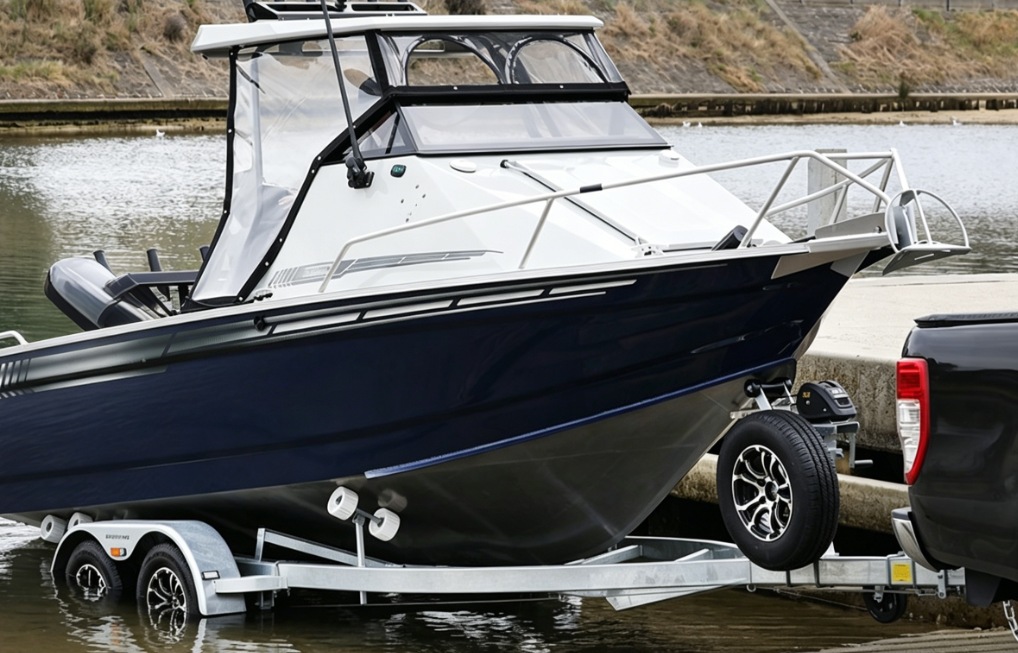
بالنسبة لمصنعي مقطورات القوارب وتجار الجملة للأجهزة البحرية ومشغلي حوض السفن المحترفين ، فإن التقاط أجزاء المقطورة بعيدًا عن مسألة صغيرة. ويمثل عنصرا رئيسيا في التعامل مع المعدات على مدى عمرها الكامل. تلعب الأسطوانات دورا رئيسيا في عملية إطلاق وسحب القوارب. تركز المناقشة حول الأسطوانات العليا الناعمة مقابل الصلبة على تجنب الضرر المكلف لهاكل القوارب. قد يؤدي اختيار سيء للمواد إلى خدوش الهيكل ، أو كسر معطف الهيل ، أو تعطل كبير أثناء تحريك القارب.
في اذهب مقطورةنحن نركز على بناء بكرات قوية بنيت للتعامل مع الاحتياجات الصعبة للتجارة البحرية B2B في جميع أنحاء العالم. معرفة النقاط الدقيقة من البولي يوريثان والبي في سي والمواد المماثلة مهمة جدا لقرارات الشراء التي تزن السلامة والقوة والقيمة مقابل المال.
علوم المواد: لينة مقابل الصلبة أعلى بكرات
أسطوانة’ يعتمد العمل في الغالب على مستوى صلابته وتكوين المواد الكيميائية. في المجال البحري ، يقود نوعان رئيسيان الطريق في المبيعات.
بكرات البولي يوريثان (الناعمة / المتوسطة الصلبة): المعيار الذهبي للألياف الزجاجية
البولي يوريثان يعتبر الاختيار الأعلى مقطورات القوارب. يختلف عن المطاط القديم لأنه يتجنب ترك خطوط مظلمة على الهيكل. ويضرب البلاستيك الصلب عن طريق إعطاء بعض المرونة.
- حماية الهيكل: الكمية الصغيرة من الانحناء في البولي يوريثان ينتشر القارب’ s وزن أكثر تساويا على الأسطوانة’ الوجه.
- مرونة: تظهر قوة ارتداد قوية ، لذلك تعود إلى شكلها البدائي حتى بعد الاحتفاظ بأوزان كبيرة لفترات طويلة.
- مقاومة الأشعة فوق البنفسجية والمواد الكيميائية: بكرات البولي يوريثان من الدرجة الأولى تقف بشكل جيد ضد الزيت والوقود وأشعة الشمس المستمرة. هذا يوقف الانقسام الذي يظهر في الأشياء الأضعف.
بكرات PVC والبلاستيك (الصلبة): الميزانية مقابل الأداء
تظهر بكرات البلاستيك الصلبة أو PVC في كثير من الأحيان في إعدادات المقطورة الأساسية أو لبعض الاستخدامات الخفيفة.
- الاحتكاك المنخفض: يسمح الوجه الثابت للقارب بالانزلاق بسهولة ، مما يساعد على قوارب الألومنيوم الخفيفة جداً.
- مخاوف المتانة: تفوت هذه الأسطوانات الصلبة التأمين اللازم لقوارب الألياف الزجاجية الأكبر. عندما يواجهون ضغوطاً ثقيلة، يتحولون إلى هشاشة ويتقسمون. هذا يمكن أن يحمل القضيب المعدني في الداخل ويؤدي إلى قطع الهيكل العميق.
- وضع السوق: على الرغم من أنها رخيصة للمبيعات المنخفضة الجودة الكبيرة ، إلا أنها عادة ما تفشل في الوفاء بالمعايير التي وضعتها فرق الأسطول المحترفة ومصنعي القوارب الراقية.
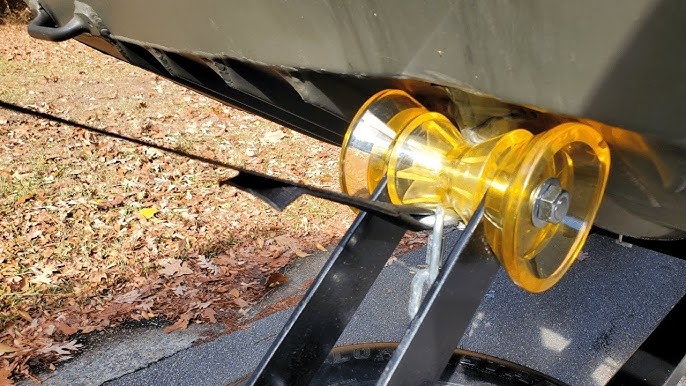
توافق هيكل القارب: لماذا لا يناسب حجم واحد كل شيء
اختيار المواد الصحيحة يدعو إلى فهم صلب الهيكل’ S بناء. باعتبارها مقطورة ركزت على الذهاب ، نحن نرشد العملاء لزوج قوة الأسطوانة مع نوع القارب بالضبط.
حماية هياكل الألياف الزجاجية من الشقوق الإجهادية
تواجه هياكل الألياف الزجاجية (GRP) مخاطر من الضرر الضغط المركز. عندما تلتقي بكرة صلبة بقارب ثقيل من الألياف الزجاجية ، تجمع القوة على منطقة لمس صغيرة.
- المخاطر: يمكن أن يؤدي هذا التجمع إلى وقوعات شبيهة بالشبكة في معطف الجيل.
- الحل: تقدم بكرات البولي يوريثان الناعمة المتوسطة رابطًا ملفوفًا يناسب القليل من الهيكل ’ شكل S. هذا يمتص اهتزازات الطرق بشكل جيد أثناء السفر.
دعم هياكل الألومنيوم في البيئات الثقيلة
تميل قوارب الألومنيوم إلى أن تكون أكثر صلابة بشكل عام ، ومع ذلك ، لا تزال يمكن أن تحصل على تآكل أو تآكل خشن.
- التطبيق: بالنسبة لقوارب العمل الألومنيوم التجارية الكبيرة ، قد تعمل أسطوانة أقوى بشكل أفضل للسماح بتحويلات أكثر سلاسة على المقطورة.
- إذهب إلى حافة المقطورة: تتضمن الأسطوانات الصعبة لدينا نواة معززة في الداخل. هذا يبقيهم صلبين حتى تحت حمولة قارب لوحة الألومنيوم السميكة ، دون الذهاب مسطح.
التطبيقات المهنية: أين تذهب بكرات المقطورة إكسل
في مجال B2B ، يتم تقييم العناصر حسب كيفية إصلاح عقبات العمل اليومية. الذهاب بكرات المقطورة يهدف إلى التعامل مع القضايا الحقيقية التي تواجه شركات اللوجستيات وبائعي القوارب.
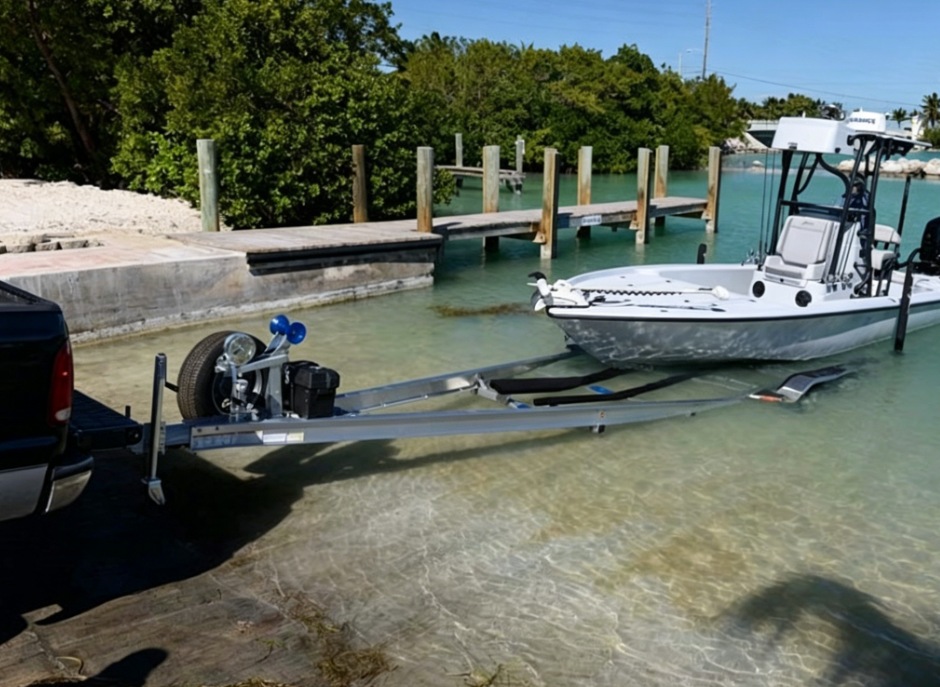
حل مشاكل إطلاق الاحتكاك العالي
غالبا ما يشتكي أصحاب القوارب من المهمة الصعبة لإطلاقهم على المنحدرات مع المد المنخفض ، حيث يبقى المنحدر لطيفًا.
- المشكلة: تلتصق بكرات المطاط العادية بالجسم كثيرًا ، لذلك يتطلب الأمر دفعة إضافية لإنزلاق القارب مجانًا.
- Go Trailer Solution: لدينا بكرات لديها طبقة خارجية خاصة تقلل من الاحتكاك اللصق. ونتيجة لذلك ، يتحرك القارب بسلاسة. هذا يسهل السحب على الرشاشات وهيئات المقطورات، مما يجعلها جذب كبير لبناة المقطورات.
معالجة التآكل المبكر في ظروف المياه المالحة
اختبار المياه المالحة لأي جزء بحري إلى حدوده. تعتمد العديد من الأسطوانات الشائعة على التركيبات الداخلية الرخيصة التي تصدأ من الداخل.
- المشكلة: الصدأ الداخلي يسبب قفل الأسطوانات. ثم يتوقفون عن الدوار وفرك مثل الورق الخام على القارب’ الهيكل.
- Go Trailer Solution: نستخدم بطانات داخلية عالية الجودة ومقاومة للصدأ ومواد مقاومة للشمس. تخضع بكرات لدينا لاختبارات في إعدادات مالحة للتأكد من أنها تستمر في التحول بشكل جيد لسنوات. وهذا يقلل من تكاليف الصيانة لأسطول القوارب.
لماذا تختار Go Trailer كشريك تصنيع B2B؟
كمقطور ملتزم، نحن نوفر أكثر من مجرد قطع. نحن نقدم إصلاحات قوية لاحتياجات الصناعة.
ميزات المنتج عالية الأداء
- تكنولوجيا غير العلامة: كل بكرة من Go Trailer تأتي مع وعد عدم وجود علامات ، والحفاظ على القارب ’ تبدو سليمة للأصحاب.
- القدرة العالية على تحمل الحمل: صممت لحمل من التزلج الطائرة الصغيرة حتى القوارب التي تزن عدة أطنان لرحلات البحر العميق.
- الأبعاد المتسقة: طريقة صب لدينا تحمل تدابير ضيقة ، لذلك كل مجموعة من الأسطوانات تنزلق مباشرة على قضبان 16 مم أو 20 مم المعتادة.
حلول التصنيع المخصصة
نحن نعلم أن الأسواق المختلفة تتطلب احتياجات متنوعة. يوفر Go Trailer خيارات مخصصة واسعة لتناسب تفاصيل البناء الخاصة:
- صلابة مخصصة: نحن تعديل صلابة الشاطئ في البولي يوريثان لتتناسب مع احتياجاتك الدقيقة لسلامة الهيكل.
- أبعاد مخصصة: إذا كنت بحاجة إلى عرض معين أو حجم خارجي لإطار مقطورة خاصة ، فإننا نتعامل مع إنشاء أداة مخصصة كاملة.
- العلامة التجارية المخصصة: بالنسبة للبائعين الكبار ، نضيف علامات خاصة وتناسب الألوان المخصصة لمطابقة شركتك ’ أسلوب S.
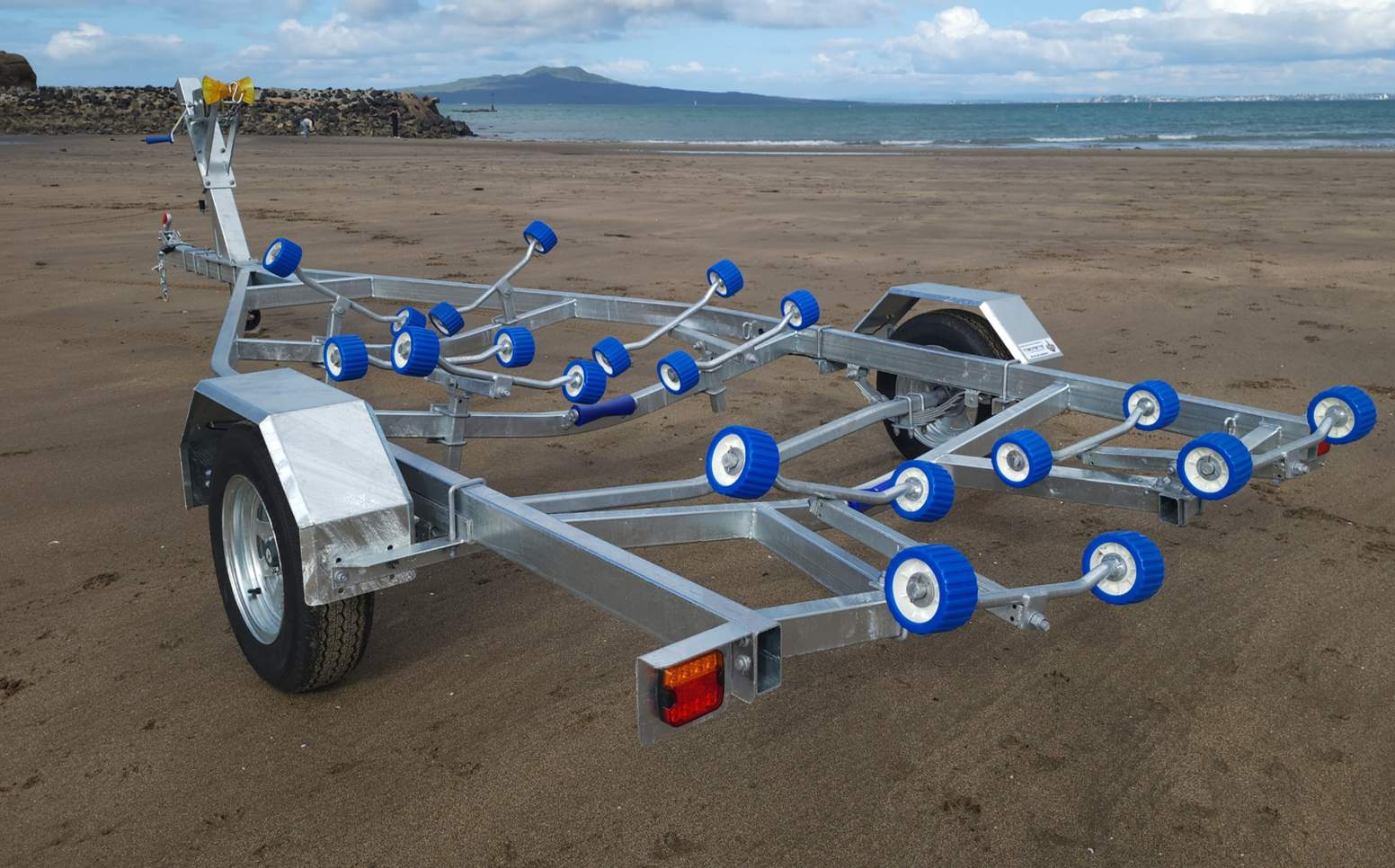
تحسين مخزونك لنجاح B2B
القرار بين الأسطوانات الناعمة والصلبة يزن العلم ضد الإنفاق. الأسطوانات الصلبة تجلب استخدام يومي رخيص. ومع ذلك، فإن الحراس الأفضل والقوة الدائمة من بكرات البولي يوريثان تجعلها الذهاب إلى القوارب الألياف الزجاجية الغالية الثمن.
يفتح التعاون مع Go Trailer تدفقًا ثابتًا من أجزاء المقطورة ذات الجودة. هذه تقليل على قبضة المستخدم وتعزيز شركتك’ s يقف للعمل الصلب. بالنسبة للبنود القائمة على الرف أو دفعة مخصصة ، تقف مجموعتنا على استعداد لتلبية احتياجاتك الدقيقة.
اتصل بـ Go Trailer اليوم للاقتباس بالجملة أو لمناقشة احتياجات التصنيع المخصصة الخاصة بك.
FAQ
س: لماذا تفضل بكرات البولي يوريثان على المطاط للتخزين على المدى الطويل؟
ج: يميل المطاط إلى تشكيل مناطق مسطحة تحت وزن قارب ثابت، ولكن البولي يوريثان يتجنب ذلك. بالإضافة إلى ذلك ، لا يترك أي آثار على الإطلاق ، لذلك يبقى الهيكل نظيفًا خلال الموسم الخارج.
س: هل يمكنني استخدام بكرات PVC الصلبة لقارب الألياف الزجاجية؟
ج: ننصح ضد ذلك لقوارب الألياف الزجاجية الكبيرة. لا يوفر PVC الصلب أي إعطاء ، مما يبني الإجهاد المركز وغالبا ما يسبب انقسامات معطف هلام بالإضافة إلى التآكل الخام في الوقت المناسب.
س: ما هو متوسط عمر بكرة Go Trailer في بيئة المياه المالحة التجارية؟
ج: بفضل مكياجنا المستقر للشمس والداخل المقاوم للصدأ ، فإن هذه الأسطوانات تتجاوز المطاط الأساسي ثلاث إلى خمس مرات ، حتى مع الاتصال المنتظم بالماء المالح.
س: هل تقدم أحجام حفرة مخصصة لمعايير محور المقطورة المختلفة؟
ج: نعم. نحن نقدم خيارات التركيب الداخلي المخصصة لمطابقة أحجام العصا العالمية ، مما يسمح بتناسب سهل مع إعدادات المقطورة الحالية الخاصة بك.
 Arabic
  English
  Spanish