

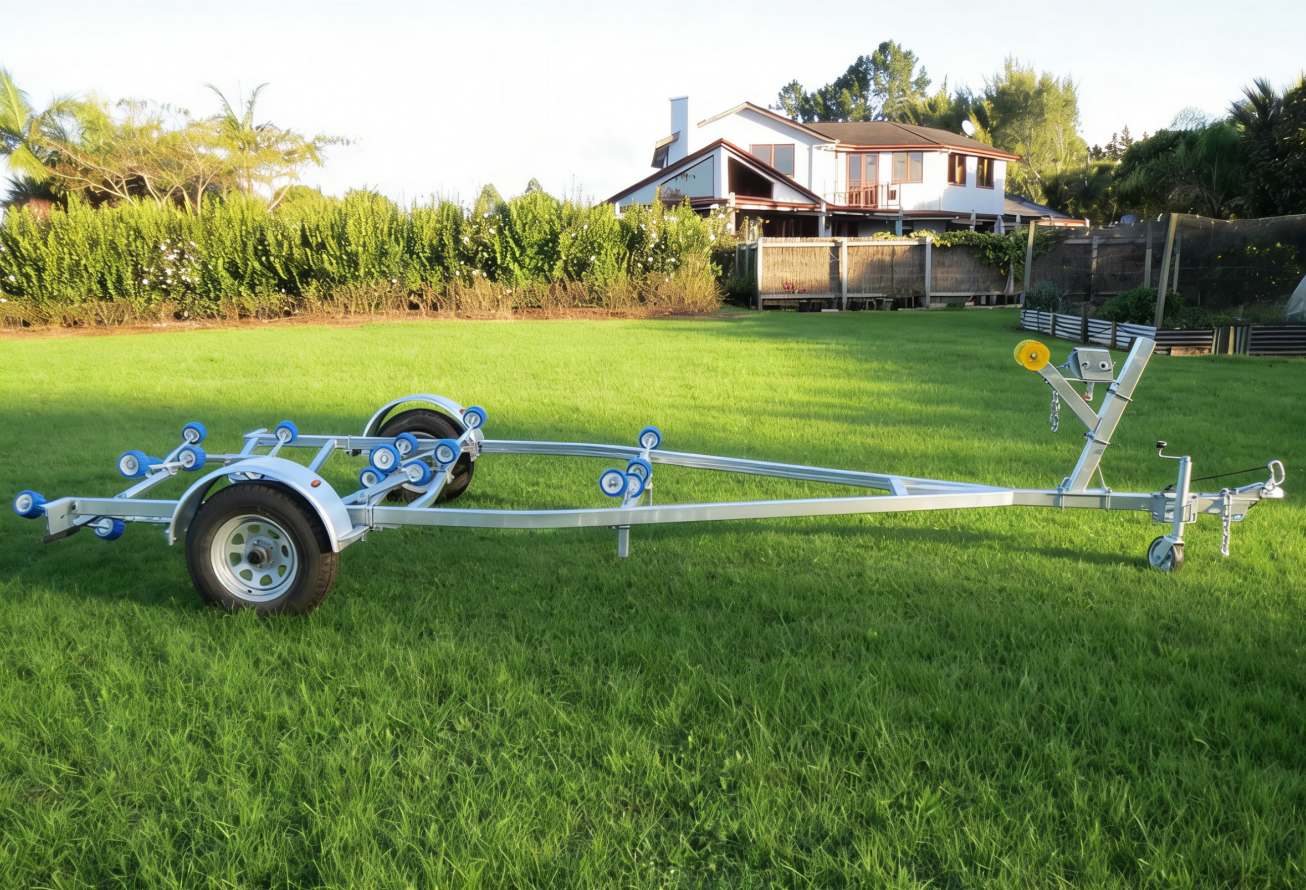
Getting your boat or cargo onto the trailer should feel smooth and straightforward, not like a struggle against drag or the risk of hull damage. The key to an easy launch often comes down to one part many people overlook: the roller group. Picking the correct roller group helps spread weight evenly, safeguards your equipment, and keeps the trailer working at its best. At Remolque, we focus on building strong, reliable rollers that hold up well in tough marine conditions and on the road.
The Science of Support: Understanding Trailer Roller Groups
Functions and Importance
Roller groups mainly create a low-resistance surface that carries the weight of your boat or load while it moves on and off the trailer. Unlike fixed bunks that stay still, rollers turn freely, so the hull slides into place with far less force. When chosen properly, a roller group avoids putting too much pressure on one small area. That prevents dents in the structure or cracks appearing in the gelcoat over time.
Categorizing Rollers by Application
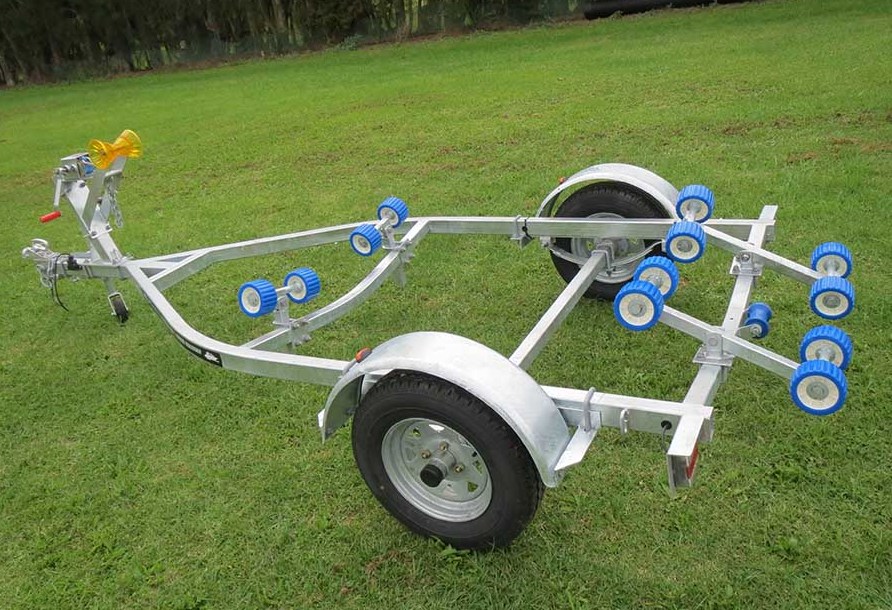
Each section of the trailer calls for a particular roller setup:
- Bottom Rollers: These take most of the weight and sit along the centerline to support the keel directly.
- Side Rollers: Known also as wobble rollers, they keep the boat steady from side to side and guide it straight while you winch it up.
- Top Rollers: These usually go at the bow stop area to hold the front end securely in position.
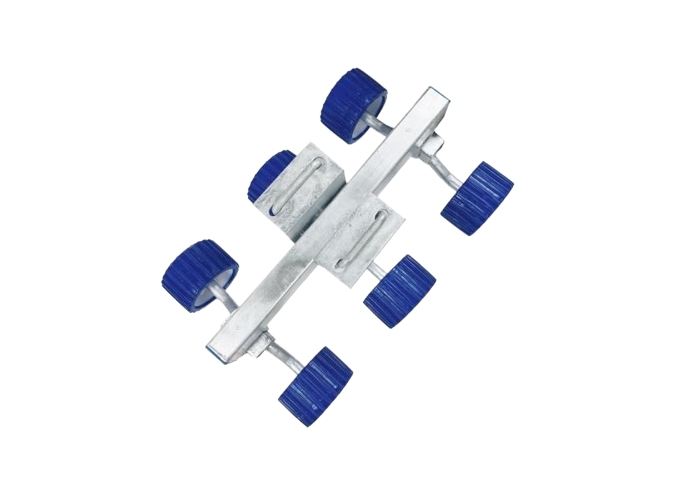
- Roller Groups: Assemblies come in setups like 2×2 or 2×4 configurations. They give several contact points, which spread the load across a wider area.
Material Matters: Comparing PU, Rubber, EVA, and TPR
The conditions you face most often decide which material works best. Go Trailer supplies several options so you can match the roller to your exact situation.
| Material | Key Characteristics | Best Use Case |
| PU (Polyurethane) | Very tough, leaves no marks, stands up well to sunlight. | Heavy fiberglass boats and higher-end trailers. |
| Rubber | Classic choice, lower cost, grips firmly. | Aluminum boats and everyday utility trailers. |
| EVA | Light in weight, soft feel, bends easily. | Small personal watercraft, like jet skis. |
| TPR | Blends rubber and plastic traits; handles weather changes well. | General use across different seasons and climates. |
Expert Tips and Advice: Choosing the Right Setup
Assessing Your Trailer’s Load Capacity
Always figure out the full weight of what you plan to carry before you buy. Putting too much strain on a roller group wears it out early and can lead to sudden breakdowns. For example, many Go Trailer side rollers carry up to 750kg safely. With a bigger boat, look toward custom roller group layouts—such as our 2×4 group—so the load spreads properly across several points and axles.
Matching Roller Type to Hull Design
- Aluminum Hulls: These hold up strongly and work fine with rubber or TPR rollers that grip without slipping.
- Fiberglass Hulls: The finish scratches easily, so stick to non-marking choices like PU or EVA that leave the surface clean.
- Keel Shape: On V-bottom hulls, bottom rollers need the right size and angle to keep the keel sitting centered from the moment you start the launch.
Optimizing Placement for Stability
One frequent error involves spacing rollers too widely apart. For the best balance, place them where the boat’s internal stringers run strongest. A custom arrangement lets you line up each roller exactly with those strong structural lines. That cuts down on the chance of the hull catching or deforming gradually.
Go Trailer: Premium Roller Solutions and Customized Services
With more than 15 years of hands-on manufacturing experience, Go Trailer—located in Qingdao, China—puts quality and exact fit first. We go beyond simple parts sales; we deliver complete, thought-out solutions. Our production carries full ISO9001 certification, so every roller meets accepted global benchmarks.
Our Product Range and Technical Specifications
We stock a broad lineup of rollers built to precise measurements that suit different trailer frames:
- Bottom Roller: φ69.5×202mm.
l Top Roller: φ80×158mm.
- 1×2 Roller Group: 341×122×122mm.
- 2×2 Roller Group: 455×341×268mm.
- 2×3 Roller Group: 555×341×268mm (Packing size).
- 2×4 Roller Group: 655×341×268mm (Packing size).
The Power of Customized Engineering
No two trailers are exactly alike, and standard products sometimes fall short. Go Trailer sets itself apart through strong custom capabilities. When your trailer or boat has unusual features, our skilled team can step in to help:
- Create roller sizes and profiles based on the technical drawings you supply.
- Build special molds needed for unique roller shapes.
- Handle the full process—from material selection through to finished assembly—as a single service.
Dealing straight with a manufacturer like Go Trailer removes delays from distributors. You save both time and expense, and the end result fits your needs precisely.
Pro-Tips for Maintenance and Longevity
A few regular habits keep rollers in good shape for many seasons:
- Rinse After Use: Salt water leaves deposits that eat away at pins inside the roller groups. Wash everything down thoroughly after each trip near the ocean.
- Lubricate the Axles: Apply marine-grade grease so the rollers spin without sticking. A locked-up roller turns into a drag point that can scratch or gouge the hull.
- Inspect for Flat Spots: Trailers left loaded for weeks can flatten rollers underneath. Shift the boat’s position now and then or add extra rollers to share the weight and avoid permanent deformation.
- Check for Wear: Look closely at any roller that develops deep splits or thin spots. Replace those promptly to keep the trailer safe on the road and during launches.
When you select solid rollers from Go Trailer and stay on top of basic care, the trailer stays dependable through every outing.
FAQ
Q: Can Go Trailer provide a price quote quickly for large orders?
A: Yes. For the quickest and most exact pricing, send your technical drawings or OE numbers. We base quotes on the quantity you need—bigger orders generally receive better rates.
Q: What is the standard lead time for receiving my roller products?
A: Orders typically take about 35 days after the deposit arrives. The final timeline depends on the items ordered and the overall quantity.
Q: Does Go Trailer support customized designs if I have a unique trailer?
A: Yes, we do. We produce rollers from your samples or drawings. Our shop builds the molds and tooling required to match your specific needs.
Q: How do you guarantee the quality of the rollers during the manufacturing process?
A: All products carry ISO9001 certification. We run a detailed quality process that starts with checking pre-production samples and ends with a thorough inspection of each shipment before it leaves.
 Spanish
  English
  Arabic