

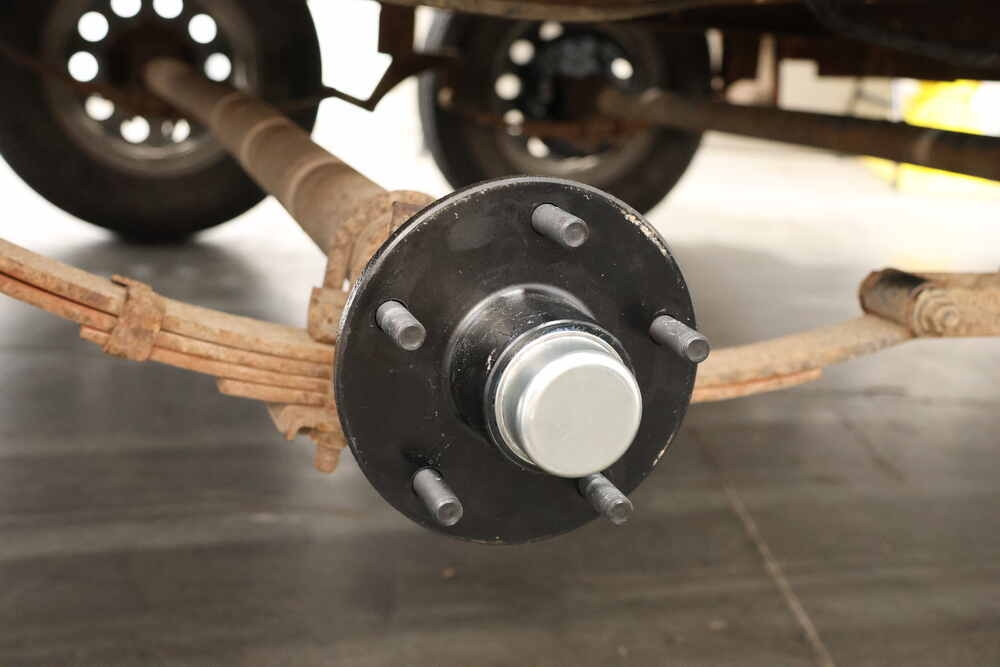
Any experienced trailer user has faced it: midway on a long trip, you pull over to inspect the wheel bearings, and one hub feels much hotter than the rest. Or maybe maintenance bills stack up for brake shoe changes and drum resurfacing on a trailer that seldom hauls heavy cargo. These issues hit hard—extra friction, too much heat buildup, and steep repair expenses. At Remolque, we understand that these aren’t just technical inconveniences; they are direct hits to your operational efficiency and safety.
Picking between a Lazy Hub (Idler Hub) and a Standard Hub (Braked Hub) ranks as one of the key choices for your trailer’s overall performance. Plenty of folks think extra features always win out. In reality, the mismatched hub for your setup leads to early breakdowns and higher fuel use.
The Technical Showdown: Lazy Hubs vs. Standard Braked Hubs
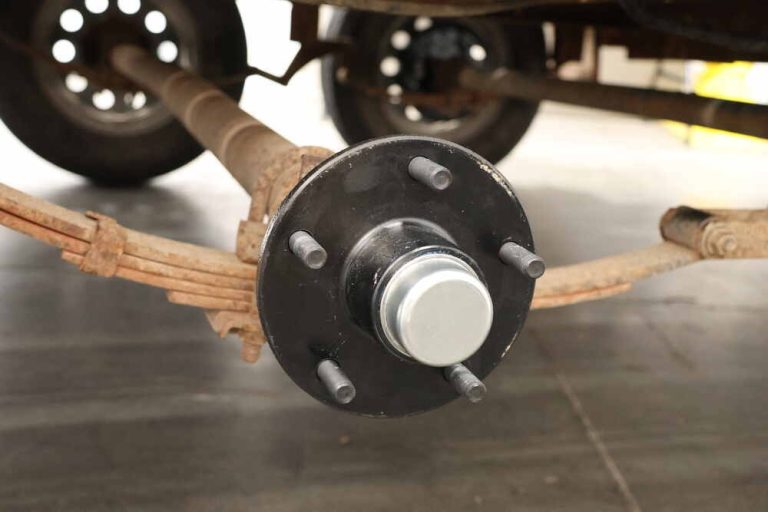
In most utility trailers, a Standard Hub means one with a braking area, either a drum style or disc type. These prove necessary for big loads, yet they add clear friction and extra pounds. A Lazy Hub, by contrast, lets the wheel spin freely on the axle spindle. It skips all the braking hardware entirely.
Friction, Heat, and Longevity
Braked hubs on Standard models often deal with brake drag. That means light, ongoing touch between the shoe or pad and the drum or disc. Heat builds up even without braking. In time, this warmth spreads to the bearings and their grease. The result can mean sudden bearing collapse. Lazy Hubs do away with that whole setup. With no added parts inside beyond the bearings, drag stays very low. Heat output remains close to nothing.
The Comparison Table: Performance Metrics at a Glance
| Característica | Lazy Hub (Idler Hub) | Standard Hub (Braked Hub) |
| Friction Level | Minimal; free-spinning design | Moderate to High; drag from brake components. |
| Heat Generation | Low; only generated by bearings. | High; generated by braking friction. |
| Wear Rate | Very Low; focuses only on bearing life. | Moderate; requires pad/shoe/drum upkeep. |
| Maintenance Cost | Low; simple grease repacking. | High; requires regular brake adjustments. |
| Peso | Lightweight; increases payload capacity. | Heavy; adds to the trailer’s unladen weight. |
| Application | Lightweight loads or non-braked axles. | Heavy-duty hauling; mandatory for safety. |
When to Choose the “Lazy” Route: Strategic Applications
The choice goes beyond upfront price. It matches the right part to the task at hand. Lazy Hubs shine in certain setups:
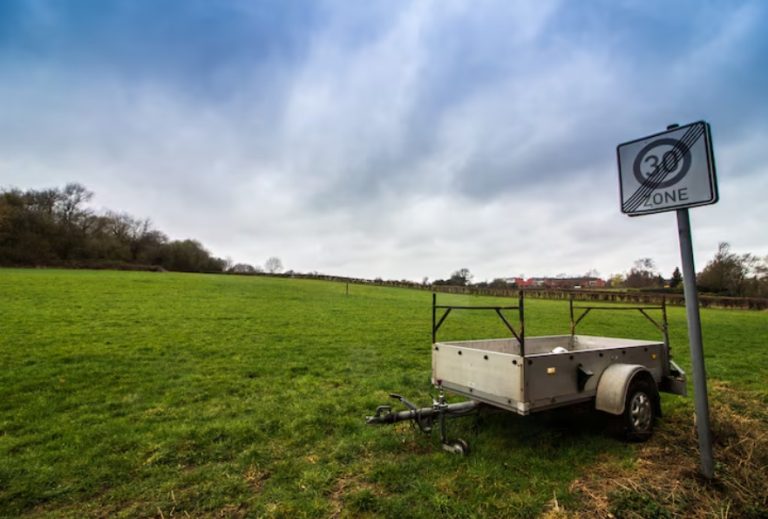
- Lightweight Utility and Garden Trailers: When your trailer’s Gross Vehicle Mass (GVM) stays below the brake-required limit—often 750kg in various areas—a Lazy Hub takes the lead. The lighter empty weight lets you load more goods. At the same time, it eases the pull on your tow vehicle, cutting down on wear from daily runs.
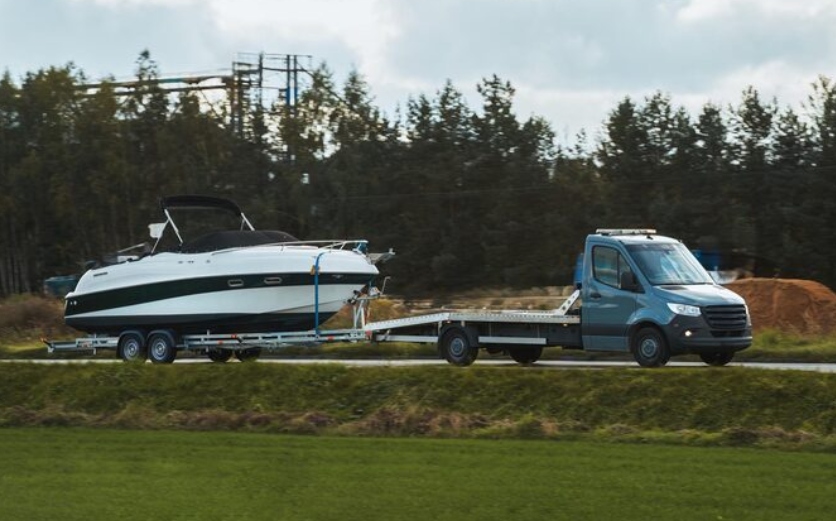
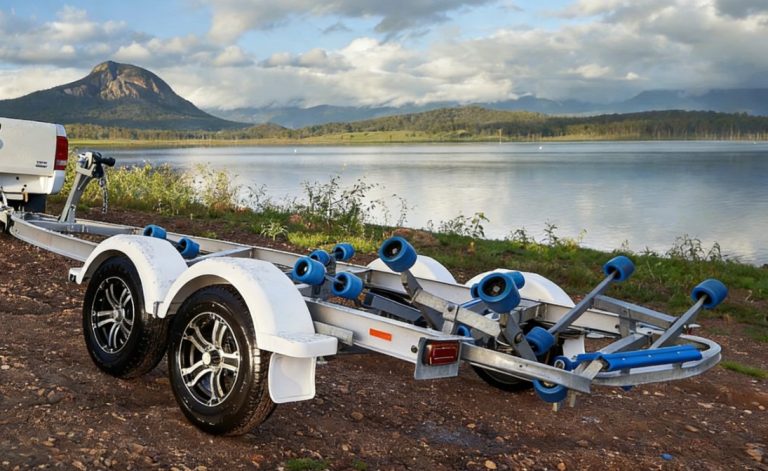
- The Lead Axle in Tandem Configurations: Tandem axle trailers carry two axles side by side. Many users fit Lazy Hubs on the front one, with brakes on the rear. This mix delivers solid stopping while trimming road resistance. Boat trailers or car carriers benefit most, especially on long highway stretches where fuel savings add up over 10,000 miles or more.
Go Trailer: Engineering High-Performance Hub Solutions
Go Trailer builds more than components. We craft practical fixes for real road demands. From our base in Qingdao, China, our team has honed trailer parts for over 15 years. We know a hub forms the direct link between your load and the pavement.
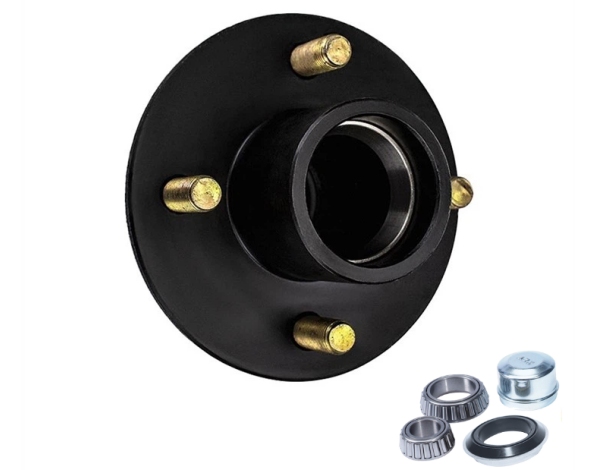
Our Lazy Hub lineup stresses long-lasting build quality. Options include several common sizes:
- Lazy Hub 4 Stud (100.0mm PCD): Handles up to 1000KG load capacity. It suits small utility trailers for yard work or light jobs.
- Lazy Hub 5 Stud (114.3mm PCD): Another 1000KG-rated option that matches widespread wheel setups.
- Lazy Hub 5 Stud (150.0mm PCD): Built for tougher non-braked needs, good for 1500KG maximum.
The customized Advantage: Beyond Off-the-Shelf Parts
Go Trailer stands out through tailored work. Every operation or trailer setup carries its own demands. Need a certain PCD (Pitch Circle Diameter)? A special coating against saltwater rust? Or a hub shaped for an odd axle spindle? Our skilled techs handle it.
The customized process breaks down like this:
- Technical Consultation: Send over technical drawings or OE numbers. We confirm an exact match right away.
- Precision Manufacturing: CNC machines, laser cuts, and automated lines hold to ISO9001 levels every step.
- Rigorous Testing: Each custom hub gets a full check before packing. This confirms it meets safety and duty standards.
Real-World Application Scenarios: Solving User Problems
The Coastal Boat Trailer
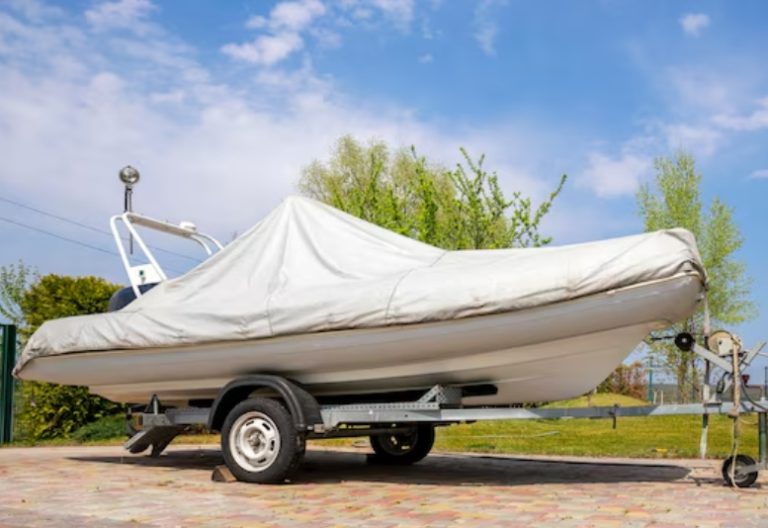
Saltwater eats at Standard brake hubs fast. Springs, actuators, and shoes inside drum brakes rust and lock up after a few trips. Go Trailer Lazy Hubs on a single-axle boat trailer—where rules allow—cut out those weak spots. Galvanized finishes hold up through repeated water exposure. Trailers stay ready for the next launch without surprise downtime.
The High-Mileage Box Trailer
Delivery firms run box or cage trailers every day. Fuel counts heavily in those operations. Even minor brake drag on Standard hubs raises gas use by 2-5% after 50,000 miles. Go Trailer Lazy Hubs on lighter delivery units, drop that extra pull on the engine. Operating costs drop noticeably, with less time lost to service stops.
Custom Industrial Dollies
Factories move dollies or small trailers by hand or electric pulls. Low rolling drag matters most there. Our customized Lazy Hubs make shifting heavy gear smooth inside the plant. Workers face less strain, and equipment lasts longer under steady use.
¿Por qué elegir Go Trailer?
Dealing straight with Go Trailer means no dealer markup. You cut costs and time while tapping 22 years of shop know-how. Parts meet global rules, so they work fine in Australia, Europe, or the US.
Contact us now to talk over your setup. Bulk standard Lazy Hubs or a one-off customized assembly—our crew handles it all.
- Phone: +86 0532 68976869
- Email: admin@gotrailerpart.com
FAQ
Q: Can I replace my current brake hubs with Lazy Hubs?
A: Yes, if your trailer’s weight stays inside local non-braked limits. Many owners swap them on rigs that run light most of the time, slashing upkeep needs.
Q: At what trailer weight do brakes typically become a legal requirement?
A: Most jurisdictions require brakes for trailers exceeding 750kg GVM, while lighter trailers can safely use more efficient lazy hubs.
Q: How do you determine the correct stud pattern for a replacement hub?
A: Measure the Pitch Circle Diameter (PCD) and count the studs to ensure the hub matches your wheel’s specific mounting configuration.
Q: What are the common signs that trailer hub bearings require immediate maintenance?
A: Excessive hub heat, unusual grinding noises, or wheel vibration typically indicate that bearings need urgent grease repacking or replacement.
 Spanish
  English
  Arabic