

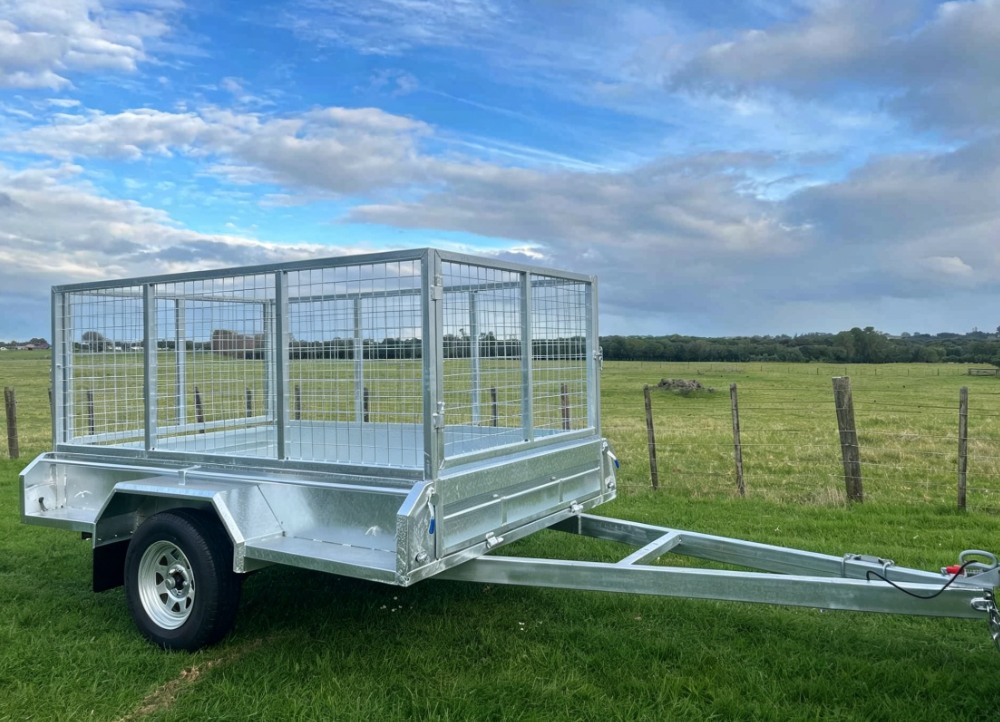
Imagínese que va recorriendo una carretera costera accidentada con un remolque de barco completamente cargado o transportando equipo pesado por una obra en construcción. De repente, llega a un bache y siente ese balanceo inquietante o un fuerte golpe metálico. Aquí es donde la suspensión de su remolque le habla. Como propietario o fabricante de remolques, elegir entre ballestas deslizantes de un solo ojo y ballestas de doble ojo es una de las decisiones más importantes para la seguridad y la durabilidad. RemolqueNos especializamos en la fabricación de piezas de alto rendimiento para remolques, diseñadas para soportar los entornos más exigentes.
Descifrando las diferencias estructurales
Antes de analizar su funcionamiento, es necesario comprender cómo se fijan estos dos tipos básicos de muelles a la carrocería del remolque.
Diseño de resortes de zapata de un solo ojo
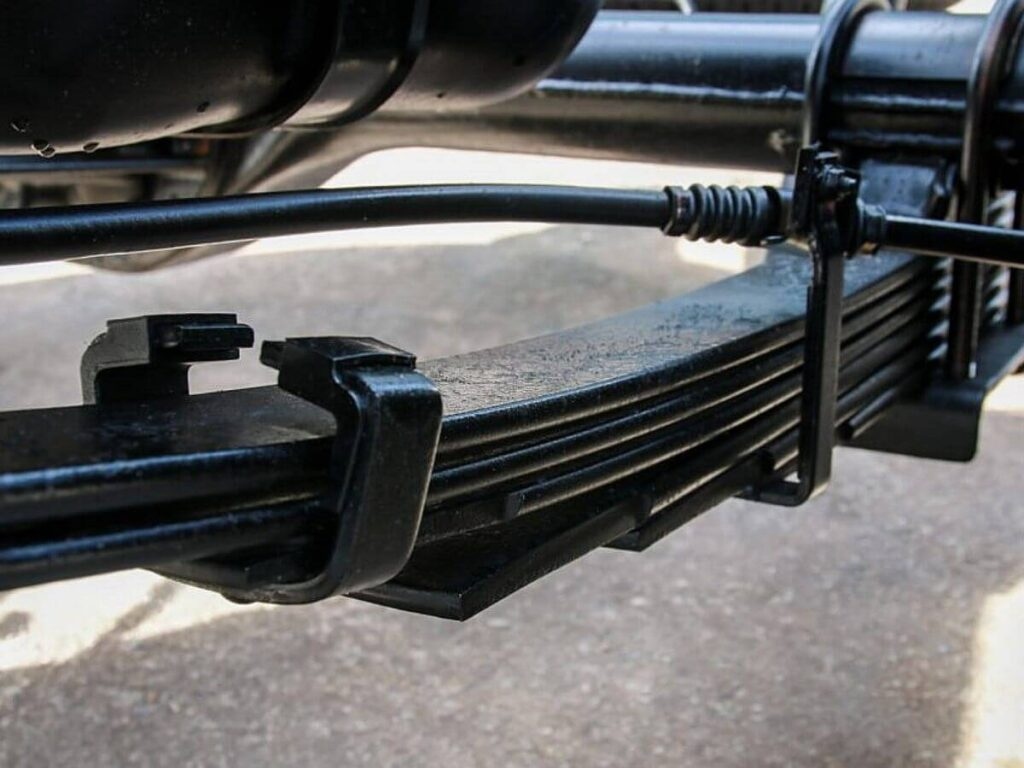
Muelles de zapatilla de un solo ojoLos resortes, a veces llamados resortes de "gancho en C", incluyen un ojo redondo en la parte delantera y una "cola" recta y suelta en la parte trasera que se desliza dentro de un soporte o sobre una almohadilla de desgaste.
- Sencillez mecánica: Esta configuración prescinde del grillete trasero, lo que reduce la cantidad de piezas que podrían desgastarse con el tiempo.
- Adaptabilidad a la carga: Cuando aumenta el peso, el muelle se nivela y la punta del amortiguador se desplaza fácilmente, de modo que la suspensión soporta cargas pesadas sin atascarse.
La arquitectura de Double Eye Springs
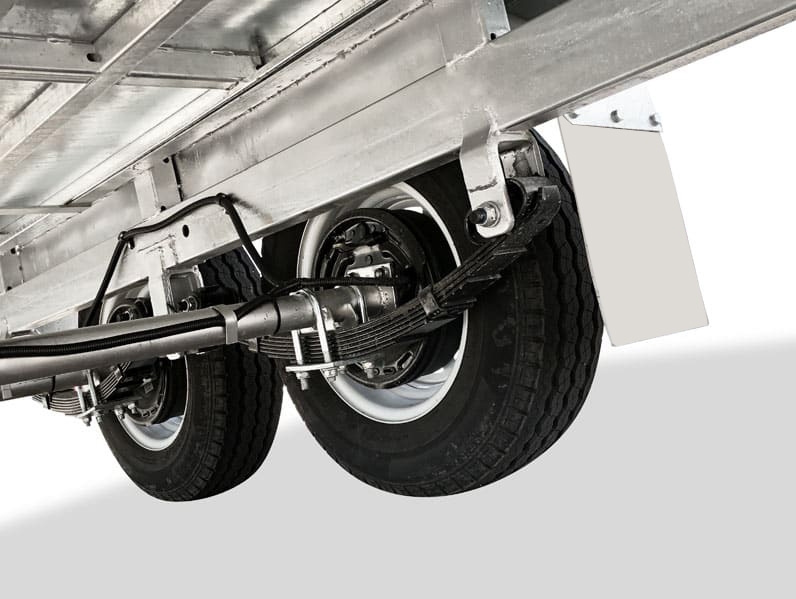
Molles de doble ojo Vienen con un ojo redondo en cada extremo, fijado a la carrocería del remolque mediante grilletes y pernos.
- Movimiento controlado: El grillete permite que el resorte se estire y se contraiga mientras mantiene ambos extremos fijos.
- Puntos de pivote: Los dos ojales crean puntos de flexión adicionales, lo que suele traducirse en una conducción más estable en carreteras lisas.
Rendimiento y durabilidad: un análisis exhaustivo
Ambos tipos cumplen la función principal, pero sus resultados en el mundo real difieren mucho bajo presión.
La gran resistencia de los muelles deslizantes
Si valoras la resistencia básica y el bajo mantenimiento, los muelles deslizantes suelen ser la mejor opción.
- Menor desgaste: La punta deslizante elimina un juego de pernos y bujes, por lo que hay menos puntos de fricción que necesiten lubricación o reemplazo.
- Opciones de alta capacidad: En Go Trailer, nuestros muelles deslizantes de 4, 5 y 6 hojas son ideales para cargas pesadas. Esto los convierte en la opción habitual para remolques de doble o triple eje con distribución de peso desigual.
- Resistencia en entornos hostiles: La construcción básica en forma de "gancho en C" resiste los atascos causados por el óxido o la suciedad, un problema frecuente en terrenos accidentados fuera de carretera o en obras de construcción.
Calidad de marcha y versatilidad de los muelles de doble ojo.
Los resortes de doble ojo son adecuados para tareas más ligeras en las que se desea menos vibración.
- Distribución del peso: Nuestra Muelles de doble ojo de 5 hojasSoporta hasta 2000 kg y se centra en una distribución uniforme del peso sobre la carrocería del remolque.
- Funcionamiento silencioso: Con un buen mantenimiento, el sistema de enganche absorbe mejor las vibraciones de la carretera, lo que resulta adecuado para remolques con cargas frágiles.
Escenarios de aplicación: Eligiendo su camino
El muelle adecuado depende de la carga y las rutas de transporte.
¿Cuándo elegir muelles deslizantes?
Para trabajos con maquinaria pesada, materiales de construcción o terrenos irregulares, los muelles deslizantes son la norma en el sector.
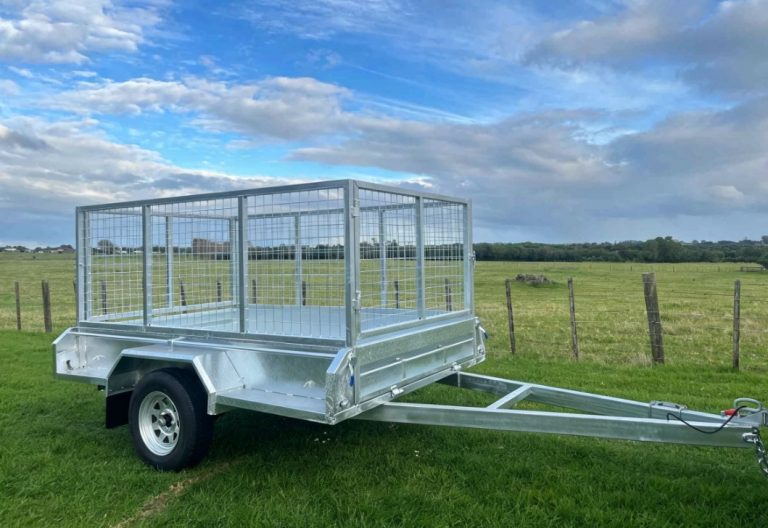
- Remolques utilitarios y de caja: Para remolques de caja o jaula personalizados con capacidad para más de 1200 kg, el muelle deslizante proporciona la resistencia necesaria para un uso intensivo y regular.
- Configuraciones de ejes múltiples: En los sistemas de ejes en tándem, los resortes deslizantes permiten un mayor desplazamiento vertical, manteniendo todos los neumáticos en contacto con el suelo en terrenos irregulares.
Usos ideales para resortes de doble ojo
En viajes de ocio o en trayectos habituales por carretera, los muelles de doble ojo proporcionan una sensación más uniforme.
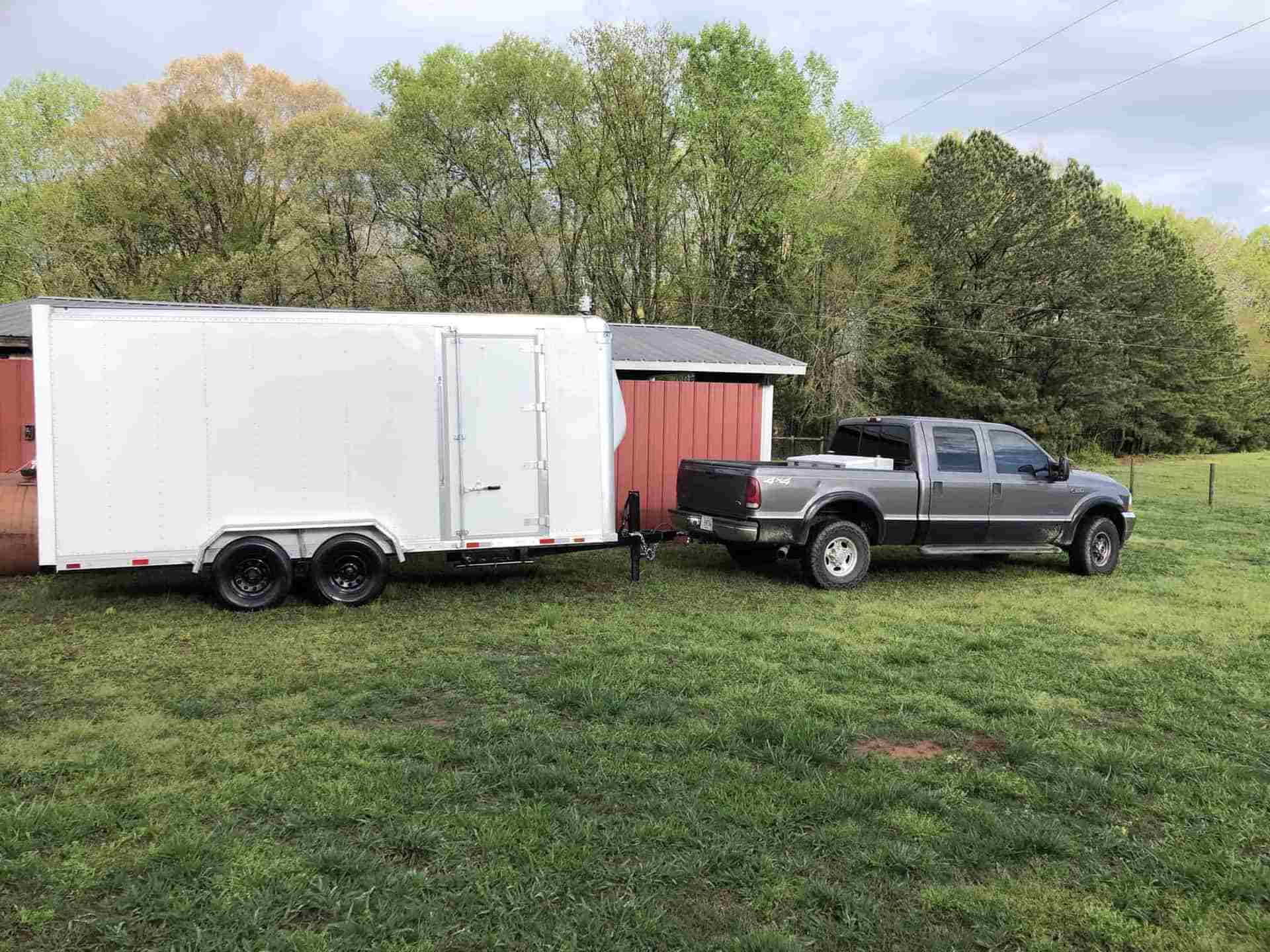
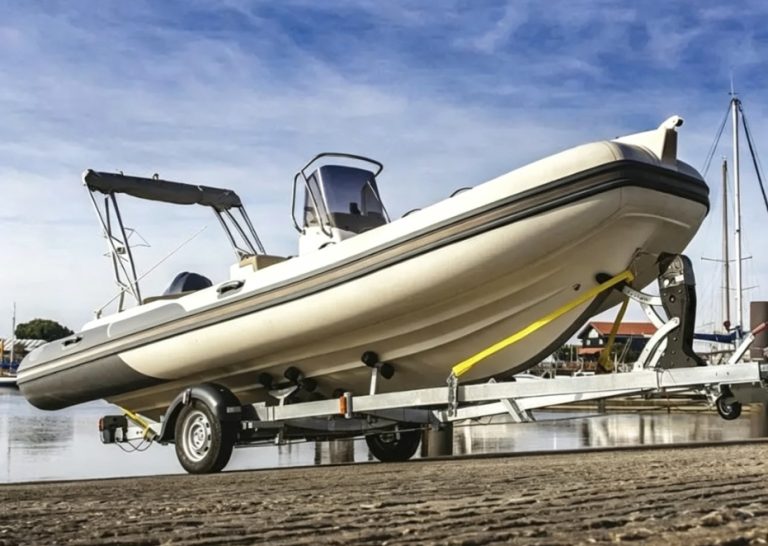
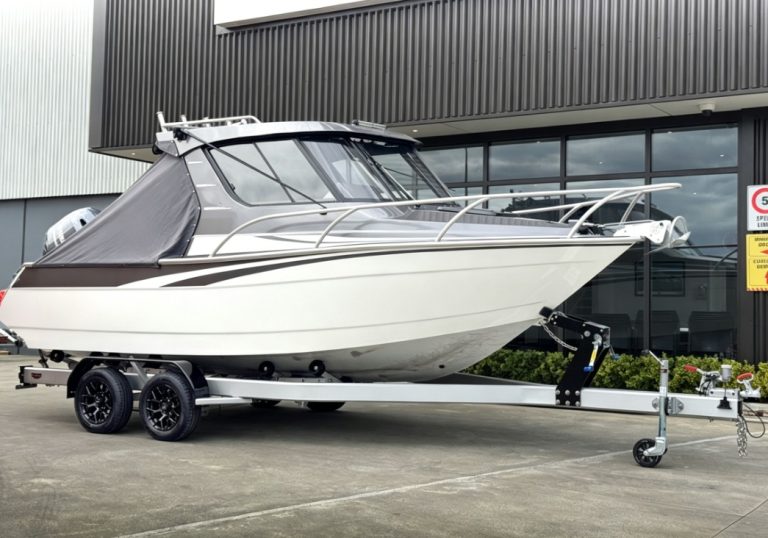
- Remolques para barcos y motos acuáticas: Estos suelen transportar cargas medianas y estables, donde la estabilidad en carretera es más importante que la resistencia a la carga máxima.
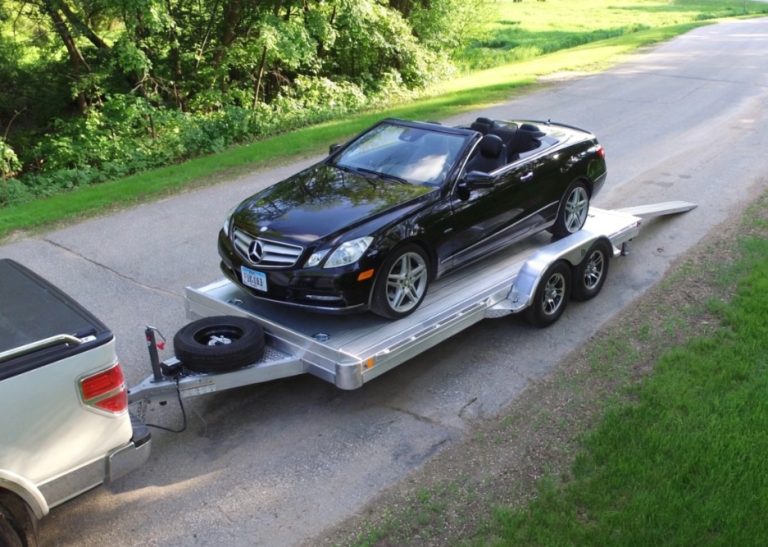
- Transportadores de coches: Para el transporte de coches, un viaje más tranquilo evita los golpes excesivos.
La ventaja de Go Trailer: excelencia técnica y soluciones personalizadas.
En Go Trailer, vamos más allá de vender piezas; ofrecemos soluciones integrales basadas en los 15 años de experiencia de nuestra empresa matriz en ruedas y neumáticos.
Ingeniería de precisión y características personalizadas.
Nuestra planta de Qingdao cuenta con modernas máquinas CNC, cortadoras láser y equipos de fresado automático para garantizar que cada ballesta cumpla con las medidas exactas.
- Especificaciones personalizadas: Sabemos que los productos estándar no siempre se ajustan a las necesidades específicas. Usted elige el número de hojas, el grosor del acero y el tamaño. Nuestro equipo de expertos adapta cada solicitud de ballesta personalizada para satisfacer las necesidades de seguridad y funcionalidad.
- Protección superior de la superficie: Ofrecemos opciones pintadas y galvanizadas en caliente para proteger contra la corrosión. Nuestros resortes de deslizamiento galvanizados se utilizan ampliamente en embarcaciones y trabajos agrícolas donde el agua permanece presente.
Servicio integral y soporte técnico
Resolvemos los problemas de suministro actuando como proveedor directo de fábrica de componentes para remolques, desde ejes hasta enganches.
- Control de calidad: Cada lote se somete a estrictos controles y enviamos muestras anticipadas para confirmar que la fabricación personalizada se ajusta a sus planes de pedidos grandes.
- Entrega rápida: Un plazo de entrega típico de 35 días, sumado a un envío rápido, permite a los clientes mantener pequeñas existencias sin interrupciones.
Conclusión
Elija la robustez y facilidad de una ballesta de un solo ojo o la suavidad de marcha de una ballesta de doble ojo, pero la calidad de fabricación siempre es lo más importante. Go Trailer combina acero de alta calidad con métodos precisos para garantizar el buen funcionamiento de sus vehículos.
¿Listo para mejorar la suspensión de tu remolque? Contacta ahora con nuestro equipo de ingeniería. Para obtener un precio personalizado en ballestas reforzadas.
- Email: admin@gotrailerpart.com
- Phone: +86 0532 68976869
FAQ
P: ¿Puedo reemplazar mis resortes de doble ojo por resortes deslizantes para una mayor durabilidad?
R: Sí, pero implica cambiar los soportes de la carrocería del remolque. Los muelles deslizantes requieren un soporte trasero para que el extremo plano se deslice, mientras que los muelles de doble ojo utilizan un soporte de grillete. Go Trailer puede suministrar un paquete personalizado con todos los soportes necesarios para el cambio.
P: ¿Con qué frecuencia debo inspeccionar la parte "zapatilla" de mis resortes de un solo ojo?
R: Recomendamos una revisión anual. Observe el desgaste de la cola del patín y la almohadilla del soporte. Si el metal está muy desgastado, reemplácelo. Limpiar la suciedad del recorrido del patín con regularidad también prolonga su vida útil.
P: ¿Por qué los remolques tándem de servicio pesado casi siempre usan ballestas deslizantes en lugar de doble ojo?
A: Los muelles deslizantes permiten un mayor desplazamiento lateral. En configuraciones en tándem, cuando una rueda encuentra un bache, el muelle debe aplanarse considerablemente; el estilo deslizante gestiona mejor este estiramiento sin sobrecargar demasiado los pernos de los grilletes.
P: ¿Influye el número de hojas (por ejemplo, 4 hojas frente a 7 hojas) en la elección entre un ojo simple y dos?
A: El número de hojas determina principalmente el límite de carga, mientras que el estilo del "ojo" determina la flexibilidad de la suspensión. Sin embargo, para cargas muy elevadas (como 7 hojas o más), los muelles deslizantes suelen funcionar mejor, ya que soportan mejor la mayor rigidez del conjunto de muelles que los sistemas de grilletes.
 Spanish
  English
  Arabic