

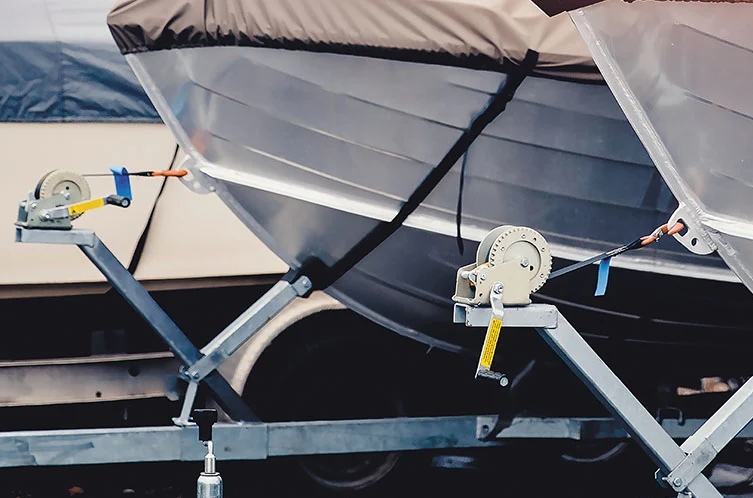
Picture yourself at a busy boat launch on a Saturday morning. The ramp is slick from earlier rain, and your 22-foot cruiser sits heavy on the trailer. One slip in gear, and the whole setup could slide back into the water—or worse, cause injury. Picking the right winch decides if the load comes up smoothly or turns into a fight. Light jet-ski trailers or big car haulers—all need a winch that fits the job. This guide breaks down manual versus electric choices and shows how Go Trailer products handle day-to-day work.
Understanding Pulling Power and Load Capacity
Pulling strength starts with knowing what your trailer really weighs when loaded and how you use it.
Calculating Necessary Capacity for Lateral Traction
- Safety Margins: Boats or cars often roll sideways up ramps or over soft ground. Friction and slope add extra drag. Trailer hands figure the winch needs at least 1.5 to 2 times the boat or vehicle weight for safe pulls.
- Product Range: Go Trailer stocks units from small 1,200lbs manual winches up to strong 12,000lbs electric ones. Weekend boat owners stick with mid-range models. Commercial recovery crews go straight for the top ratings.
The Significance of Gear Reduction Ratios
Gear drop turns quick spins into slow, heavy force.
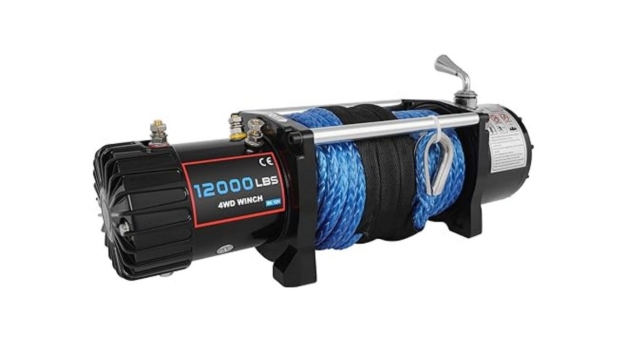
- High-Torque Performance: The 12,000lbs electric winch runs a 265:1 ratio. That setup hauls stuck trucks out of mud pits without the motor bogging down halfway.
- Versatile Gearing: Our 4,500lbs model uses a 271:1 drop for steady pulls on steep ramps. The 2,000lbs and 3,500lbs units run 136:1 gearing. Line speed stays quick enough to load a 3,000-pound boat in under two minutes on flat ground.
Manual Winches: Reliability Without a Power Source
Manual winches work anywhere, anytime—no dead battery to worry about. They fit most boats and utility trailers perfectly.
Bare Metal Construction and Hardened Gear Technology
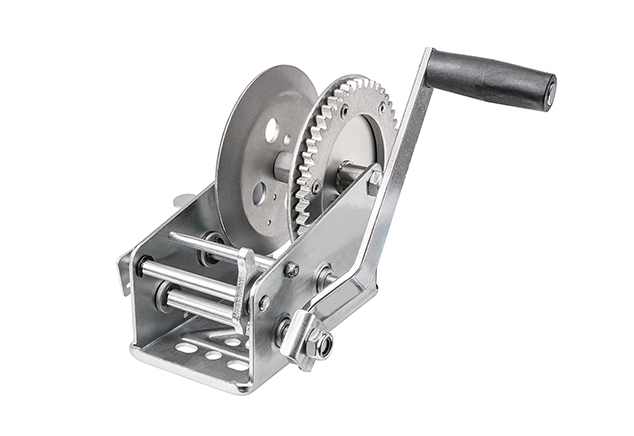
Go Trailer builds a solid 1,200lbs “Bare Metal” manual winch.
- Precision Engineering: Crank handles turn smoothly because of careful gear cuts.
- Durability: High-temperature hardening keeps teeth from rounding off. Cheap winches strip after a season of hard pulls. Ours keep clicking strong after years on saltwater ramps.
Choosing Between Braided Belts and Anti-Rotation Wire Ropes
We give two main line choices for manual units.
- Braided Belts: The 1,200lbs, 2,000lbs, and 2,500lbs belt models use wide, thick straps. Hands stay comfortable during long cranks. No rust worries either. Fiberglass boat owners like the soft touch on hulls.
- Wire Ropes: For rough work, the 1,200lbs to 2,500lbs wire rope winches use anti-rotation galvanized steel. Cable slides over rocks without kinking. The twist-proof lay keeps loads from spinning sideways.
- Adjustable Options: Lines come in set lengths or custom cuts—8M, 10M, 12M, 20M, or 30M—to reach from winch drum to bow eye without extra coils getting in the way.
Electric Winches: High-Efficiency Power for Heavy Loads
Big loads or daily use call for an electric drive. One button does the heavy work.
Technical Analysis of High-Capacity Electric Systems
Go Trailer electric winches handle serious side pulls.
- Heavy Duty Ratings: Sizes run 6,000lbs, 9,000lbs, 9,500lbs, and 12,000lbs. Flatbed tow operators load disabled cars without breaking a sweat.
- Advanced Components: Remote switches let the driver stand clear and watch the load line up straight.
Precise Control and Operational Safety
Electric motors keep tension steady from start to finish. Jerky hand cranks can snap lines on heavy boats. Power winches cut that risk way down. Every unit leaves our line after full load tests and gear checks.
The Advantage of Customized Winch Solutions from Go Trailer
Off-the-shelf works for most, but odd setups need special builds. That’s where direct factory work pays off.
Personalized Engineering for Unique Trailer Needs
Customers send sketches, and our shop adjusts details.
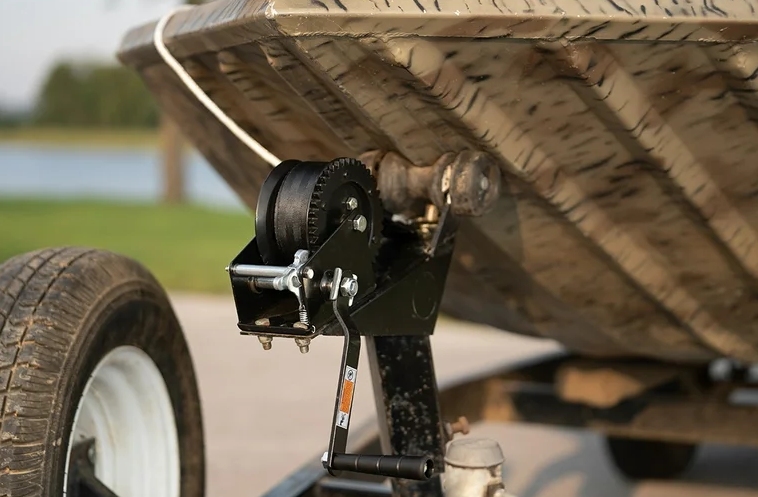
- Gearing and Direction: Single-gear or double-gear layouts, plus one-way ratchet or free-spool modes.
- Finish and Length: Powder-coat colors to match fleet trucks, or extra-long galvanized cable for deep ramps. Salt-air boats get a heavy zinc coating that lasts seasons longer than paint.
One-Stop Factory Support for Specialized Requirements
Our lines run CNC cutters, gear hobbers, and laser machines. We turn raw steel into finished winches under one roof. Bring drawings or part numbers—our crew builds molds and runs samples fast. Skip dealers and their markups. Orders ship directly with every piece fitted to your trailer frame.
Maintenance Protocols for Winch Longevity
Basic care keeps winches pulling strong year after year.
Routine Inspection of Pulling Media and Gears
- Visual Checks: Look over the wire rope for bent strands or flat spots after rocky pulls. Belts show wear in the form of frayed edges or sun cracks.
- Mechanical Care: Manual gears need a drop of oil now and then. Clean mud out of ratchet teeth before it grinds metal away.
- Corrosion Resistance: Galvanized cable fights rust well. A fresh-water rinse after ocean launches stops salt buildup that pits drums over time.
Quality Assurance and Professional After-Sales Service
Go Trailer backs every winch sold.
- Service Support: Step-by-step videos and photos guide installs or fixes.
- Replacement Guarantee: Bad parts ship free with the next order. Downtime stays short even on overseas jobs.
Conclusion: Investing in Quality with Go Trailer
Load size and how often you tow point to manual or electric. Hand-crank winches give dependable service on lighter trailers. Electric models take over when the weight climbs or arms tire out.
Direct from Go Trailer means ISO9001-grade parts without extra middle costs. Custom options turn a standard winch into the exact match for your rig.
FAQ
Q: Can Go Trailer provide a winch with a specific rope length that isn’t standard?
A: Yes. We offer a customized service where the length of the wire rope or braided belt can be tailored to your requirements, such as 10M, 20M, or 30M, depending on the model.
Q: How does the gear reduction ratio affect my electric winch choice?
A: The gear reduction ratio determines the torque and speed. For instance, our 12,000 lbs winch has a 265:1 ratio for maximum pulling force, while our 6,000lbs model uses a 164:1 ratio for a balance of speed and power.
Q: What is the benefit of the high-temperature hardened gear in manual winches?
A: Hardened gears are much more resistant to wear and deformation under high loads. This ensures the Winch maintains its structural integrity and operational smoothness over a longer lifespan compared to standard gears.
Q: Should I choose a manual or electric winch for a boat trailer?
A: Manual winches are ideal for lighter boats and occasional use, offering reliability without relying on power. Electric winches are better for heavier boats, steep ramps, or frequent loading where consistent pulling force is required.

 English
  Spanish
  Arabic