

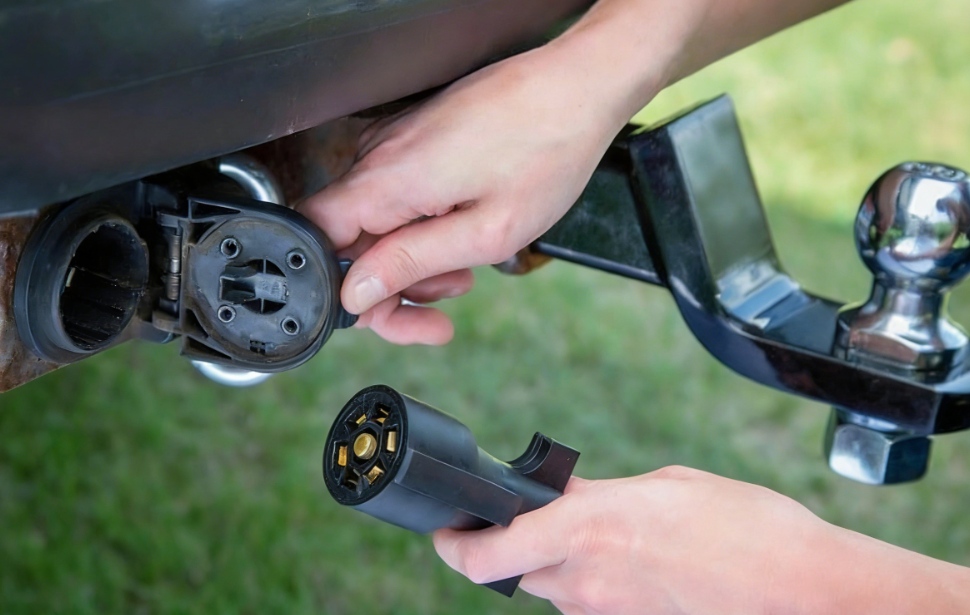
Picture yourself set for a cross-country haul or a quick weekend outing with the boat. You connect the trailer and turn on the lights. Yet nothing happens. Taillights stay off, and turn signals fail. Such electrical glitches bother pros and hobbyists the same. They pose real risks to safety. Plus, they can draw legal trouble and stop work right away.
At Go Trailer, we focus on building sturdy trailer parts that handle tough job demands. Based in China as a solid maker, we have noticed that many light issues do not stem from the bulbs. Instead, they tie to the link spot itself.
The Step-by-Step Diagnostic Flow
Hold off on swapping costly wire setups or LED bulbs. First, follow a clear path to pinpoint the issue through steady checks.
Phase 1: Checking the Vehicle Fuses
Start any electrical check by confirming power flows from the tow vehicle’s battery to the main split point.
- Find the fuse panel for the trailer in your vehicle. It often sits under the hood or on a back panel.
- Spot fuses marked “TRL L,” “TRL R,” or “TOW.”
- Test with a light tool for steady flow. A blown fuse points to a short somewhere along the path.
Phase 2: Testing the Vehicle-Side Socket
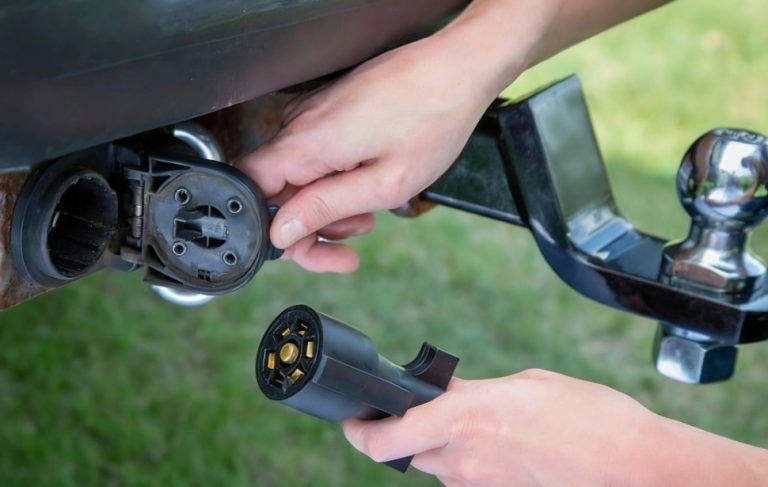
With fuses holding up, the vehicle socket often fails next. It faces road grit, dampness, and shakes all the time.
- Voltage Testing: Grab a multimeter or 12V tester. Hook the ground wire to the ground pin, typically the biggest one or the white wire. Then touch the “Tail/Running” pin.
- Continuity Check: Voltage shows up, but lights dim or blink? Test the ground link for a firm hold.
- Visual Inspection: Check inside for green or white dust buildup. That’s rust buildup that blocks the Socket Plug from a good fit.
Phase 3: Inspecting the Trailer-Side Plug
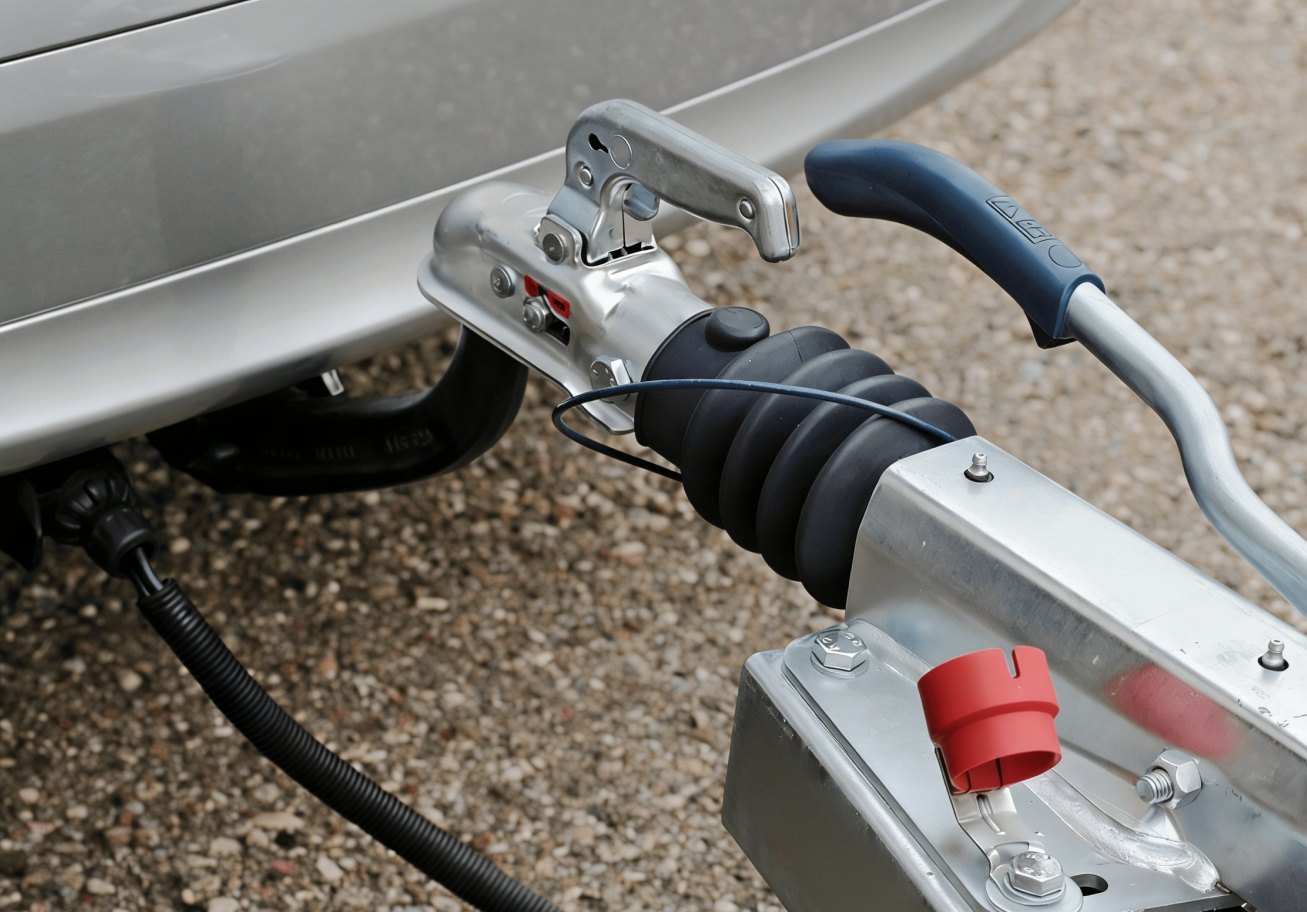
Vehicle socket sends power fine? Turn attention to the trailer’s end connector and its inner wires.
- Look at the tight screws in the plug. Wires may have shaken free over bumps.
- Examine pins for bends or spreads. Cheap plugs warp from repeated pushes into sockets.
Why the Socket Plug is Often the “Silent Failure”
Folks skip the Socket Plug since it seems minor. In truth, it serves as the key pass for all trailer safety cues.
Corrosion and Environmental Wear
Basic plugs rely on weak plastics that split in the sun’s rays or metal bits that rust in wet air. Dampness slips in and builds resistance. That heat buildup can warp the outer shell or spark spotty signals, tough to spot in daily runs.
Pin Tension and Continuity Issues
A tight match matters in 12V/24V setups. As time passes, pins in off-brand Socket Plugs weaken their grip. This slack causes lights to flash on every road jolt. It’s a clear sign of a weak link right in the plug.
Go Trailer Customized Socket Plug Solutions
From our spot as a focused maker, Go Trailer crafts a Socket Plug range aimed at no-break links. We go beyond stock items. Instead, we supply customized fits for local rules and work needs.
Premium Material Specifications
Our Socket Plug items beat regular factory parts with better picks in build materials:
- High-Impact PVC/Nylon Housing: Tough polymers stand up to weather. They stay bendy in cold snaps and hold firm in hot spells.
- Brass and Nickel-Plated Contacts: Top brass pins carry current well and fight rust. We add plating layers for wet jobs like boating.
- Integrated Weather Seals: Built-in rubber stops block water at the wire spots.
Specialized Customized Engineering
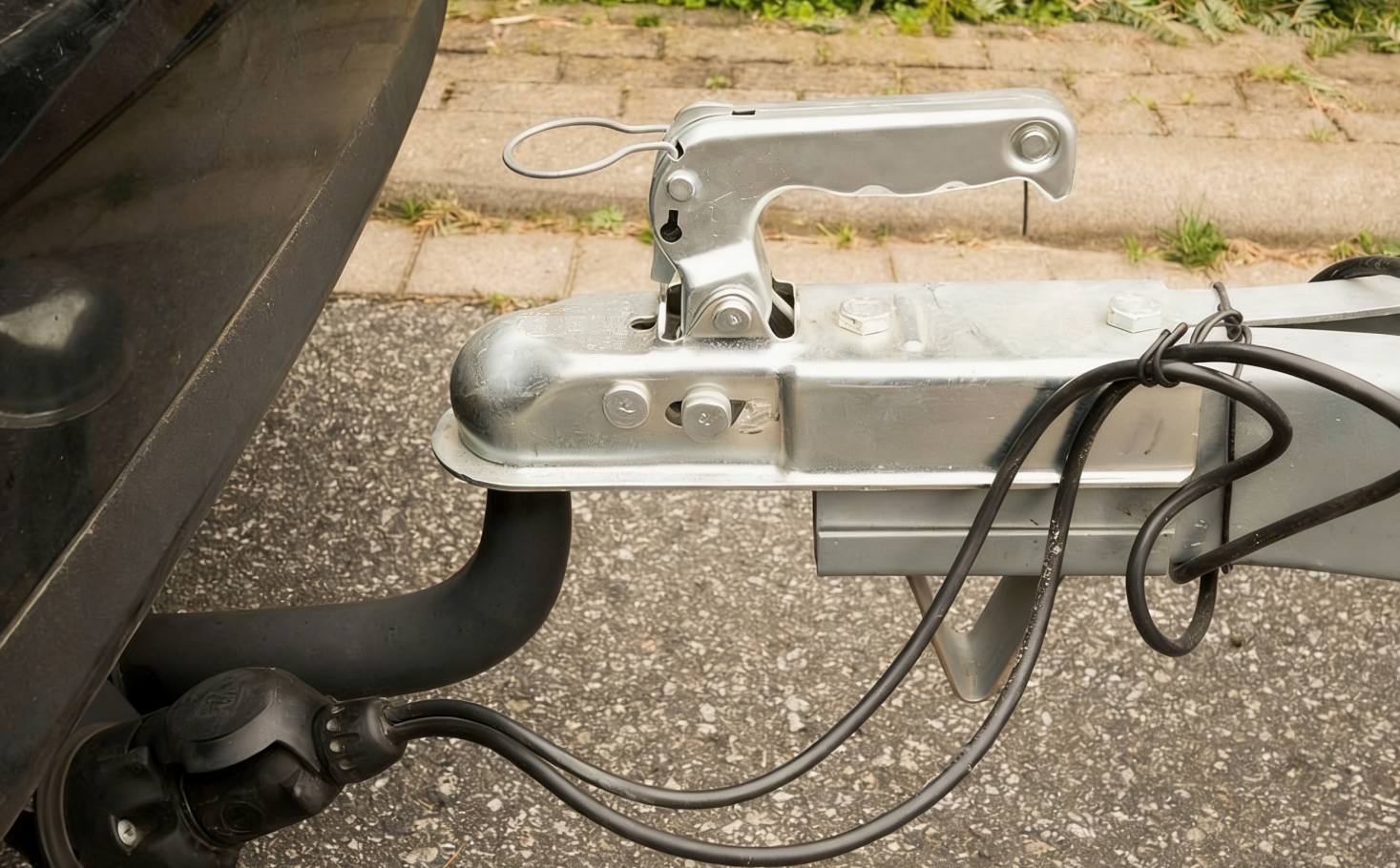
We know regions call for varied setups. Go Trailer brings broad customized choices:
- Standard Variety: We produce European 7-pin/13-pin, Australian flat/round, and American blade-style Socket Plug types.
- Customized Wiring Lengths: Prepped plugs come with set wire runs and thick gauges to fit your build lines.
- OEM Branding: Big sellers get customized marks and boxes to match their labels.
Specialized Solutions for Demanding Environments
A Socket Plug’s worth shines in spots where basic gear gives out. We design ours for these demanding spots.
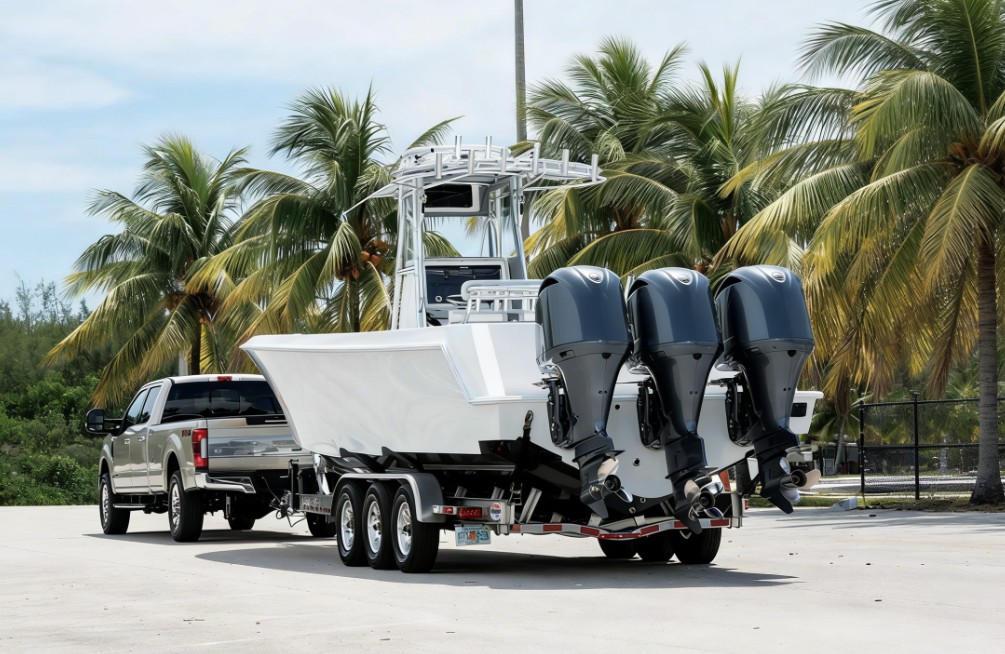
Marine and Saltwater Environments
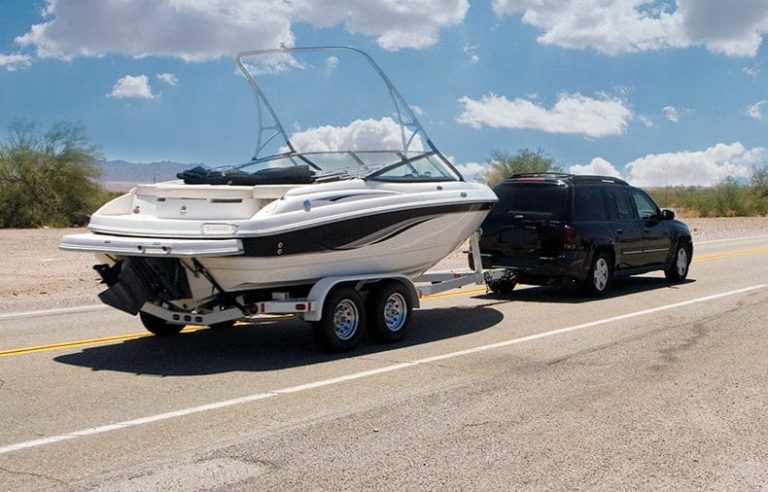
Boat trailers dip in salt water often. That salt attacks electrical flow hard.
- The Problem: Usual plugs rust fast, in just a few months. This brings faint signals or full blackouts.
- The Go Trailer Solution: Our customized sea-ready Socket Plug adds strong seals and rust-proof pin covers. It fixes the leak trouble. Lights stay on each time you pull from the dock.
Heavy-Duty Commercial Logistics
Car carriers, box rigs, and cage units plug in and out hundreds of times monthly.
- The Problem: Wear frays pins and cracks shells over repeated use.
- The Go Trailer Solution: Inner blocks reinforce the plug for quick cycles. The customized tough shell cuts swap needs. Fleet teams save on upkeep costs year after year.
Conclusion
Skip letting a basic link flaw cut your drive safety or workflow. Trailer light woes often trace to a bad or cheap Socket Plug. Switch to a pro-level part, and you cut out spotty cues and rust woes at the base.
Go Trailer stands as your steady ally for trailer strength. Need stock swaps or a fully customized batch for the group? Our build crew waits to help.
Contact Go Trailer today to request a quote for our high-performance Socket Plug series and ensure your trailers stay visible and safe.
FAQ
Q: What is the difference between a 7-pin and a 13-pin Socket Plug?
A: A 7-pin plug handles core lights like brakes, turns, and tails. A 13-pin version adds extras such as backup lamps, 12V for inside gear, and battery top-ups. These show up in newer European rigs.
Q: Why do my trailer lights work when the engine is off but flicker when I start driving?
A: Road shakes often point to a slack hold or weak spring in the Socket Plug. Pins break touch for split seconds. A plug with firm brass pins usually fixes it.
Q: Can I use an adapter if my vehicle socket and trailer plug don’t match?
A: Adapters work fine for short needs. Yet they risk more breaks over time. For lasting hold, fit a customized plug that lines up straight with your vehicle’s outlet type.
Q: How do I know if the “ground” is the problem in my Socket Plug?
A: Dim lights across the board or one lamp cutting out when another starts, like tails fading on a blinker, signal a faulty ground in the plug shell.
 English
  Spanish
  Arabic