

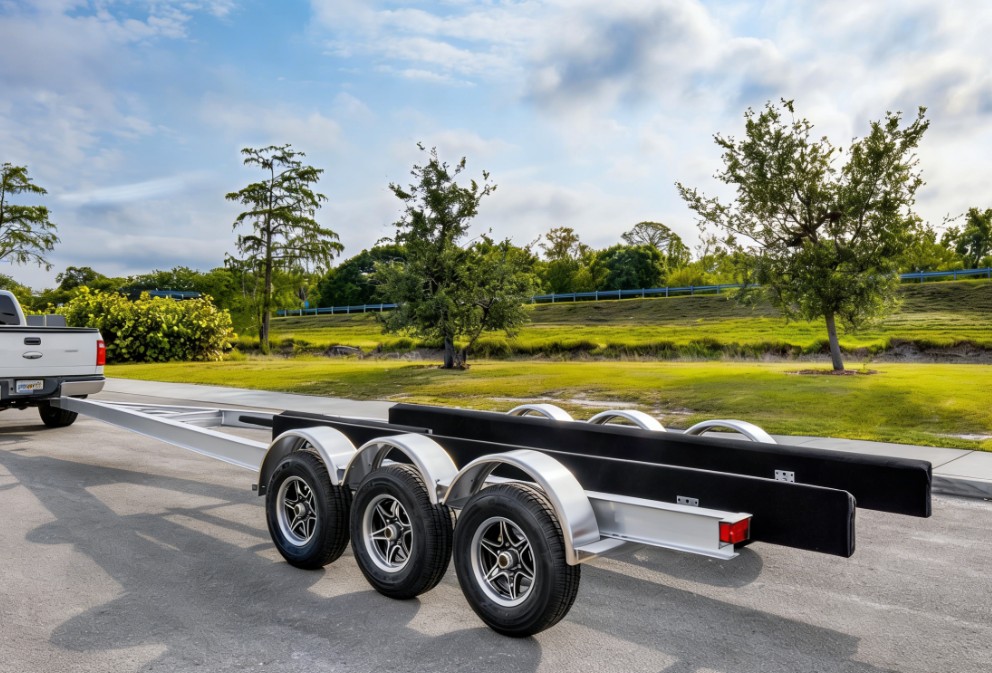
Many trailer owners view wheels as basic items needed simply to move from one place to another. Yet the gap between an ordinary towing trip and a noticeably better one frequently comes down to the material chosen for those wheels. If improved handling, added safety, and longer service life matter to you, changing to aluminum wheels stands out as one of the most worthwhile modifications available.
With more than 15 years focused on wheels and tires, Go Trailer knows well that a trailer’s dependability rests on its most vulnerable component. For that reason, Go Trailer concentrates on supplying sturdy, high-performing Aluminum Wheels built for today’s demanding haulers.
The Performance Advantage: Why Material Matters
Selecting aluminum instead of ordinary steel goes beyond looks alone. The choice delivers clear practical improvements across the entire towing system.
Reducing Unsprung Weight for Better Handling
Aluminum Wheels possess an excellent strength-to-weight balance. They weigh considerably less than steel wheels of similar size. In towing applications, that lower mass decreases unsprung weight—the portion not carried by the suspension system.
- Better Suspension Response: Lighter wheels allow the trailer’s suspension to adjust more swiftly to uneven pavement or sudden dips.
- Improved Fuel Efficiency: A lighter trailer places less demand on the towing vehicle, which translates to reduced fuel use during extended drives.
- Smoother Ride: Smaller rotating mass cuts down on transmitted vibrations. Both the driver and the carried load experience steadier travel as a result.
Superior Heat Dissipation and Braking Efficiency
Hauling substantial loads creates substantial heat buildup, especially near the wheel hubs and brake mechanisms. Steel holds heat inside, while aluminum transfers it outward rapidly due to its strong thermal conductivity.
- Cooler Brakes: Aluminum Wheels pull heat away from brake drums or rotors. That keeps braking power consistent, particularly on prolonged downhill sections where fade often occurs.
- Extended Tire Life: Overheating ranks among the main reasons tires wear prematurely or fail suddenly. Cooler wheel assemblies help maintain tire condition and lower the chance of roadside incidents.
Go Trailer: Your Professional Partner in Aluminum Wheel Manufacturing
When you choose Go Trailer, you deal directly with a factory that maintains tight oversight of every production step. Advanced automated machinery, such as CNC units and laser cutting tools, shapes each wheel to meet global quality benchmarks.
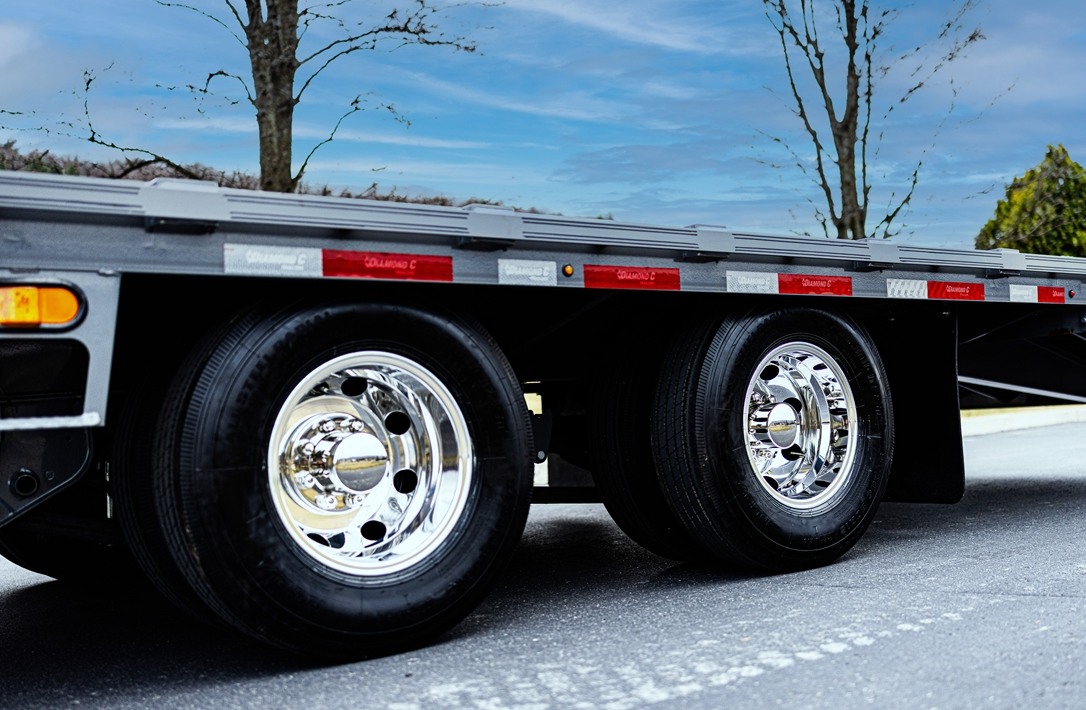
Technical Excellence and Load Capacity
The product range covers multiple sizes and designs suited to various trailer styles and weight demands:
- 12-inch Aluminum Alloy Wheels: Well-suited to smaller trailers, these feature a 4*114.3 PCD along with an ET of 35.
- 15-inch High-Performance Wheels: Offered with different offsets (ET 0 or ET 15) to match specific fender clearances and axle arrangements.
- High Payload Capacity: The 14-16 inch multi-spoke alloy wheels carry a maximum payload rating of up to 1000KG per wheel. That capacity supports loaded car haulers or fully packed cage trailers without difficulty.
- Certified Quality: All wheels pass ISO9001 certification procedures. Buyers receive dependable, safe components consistently.
The Power of Customized Solutions
Every towing configuration carries its own particular needs. Go Trailer stands apart by offering thorough customization rather than limiting customers to catalog items alone.
- Customized Dimensions: Specific PCD (Pitch Circle Diameter), CB (Center Bore), or Offset (ET) values present no issue. Wheels can follow the provided technical drawings precisely.
- Customized Finishes: A standard bright alloy appearance or a painted coating matched to a company color scheme comes from in-house spray and electrophoresis facilities.
- Customized Branding: Nameplates carry client logos or markings. That option helps businesses establish their own identity using Go Trailer’s production capabilities.
Real-World Application Scenarios: Where Aluminum Wheels Shine
Practical examples illustrate clearly why the switch proves valuable and how these wheels address common hauling difficulties.
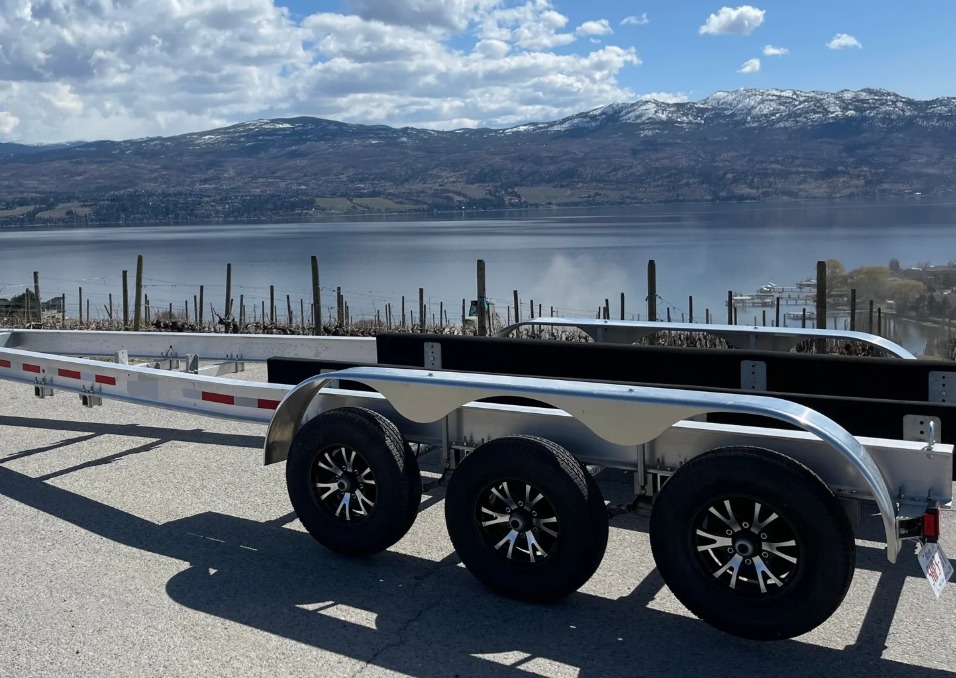
Marine and Boat Trailers: Defeating Saltwater Corrosion
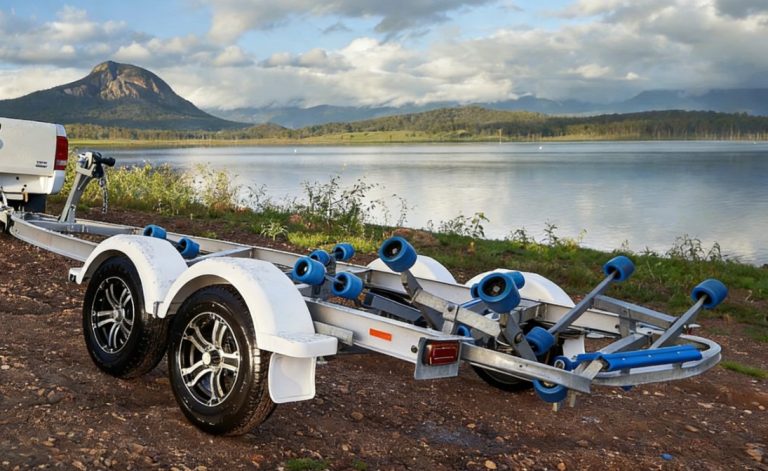
Steel wheels on boat trailers rust quickly after repeated contact with saltwater. That corrosion often weakens the wheel structure and leaves visible streaks that require constant attention. Aluminum Wheels resist that damage naturally through a thin oxide layer that forms on the surface.
- Application: The 12-inch and 15-inch sizes fit boat trailers commonly used along coastal regions.
- Result: Owners face far less time cleaning rust buildup. Wheels stay strong and functional over many seasons of launch and retrieval cycles.
Long-Distance Car Hauling: Stability and Fuel Economy
Car transporters loaded with several vehicles place heavy, ongoing stress on wheels while fuel expenses climb due to added mass. Aluminum Wheels rated at 1000KG payload help manage those conditions effectively.
- Application: The 15-inch models mount on tandem-axle car trailers built for cross-country delivery runs.
- Result: Lower overall trailer weight cuts fuel consumption noticeably. The balanced alloy construction reduces side-to-side movement at cruising speeds, which improves control for the driver.
Utility and Cage Trailers: Enhancing Daily Durability
Construction crews and farm operators frequently deal with trailers that develop uneven tire wear or place extra strain on suspension parts because of heavy, low-grade wheels. Lightweight aluminum alloy wheels ease that burden considerably.
- Application: Standard cage trailers or enclosed box trailers haul tools, materials, or equipment on job sites.
- Result: The trailer rolls more easily by hand when disconnected. Reduced unsprung weight protects axles and hubs from accelerated wear during repeated short trips.
Maintenance and Longevity: Protecting Your Investment
Steel wheels demand regular touch-up painting to cover rust spots. Aluminum Wheels require minimal care in comparison.
Easy Cleaning and Lasting Aesthetics
- Resistant to the Elements: Road salt in winter or muddy paths on farms leave little permanent mark on aluminum surfaces.
- Simple Upkeep: Ordinary soap and water usually restore the original shine quickly.
- Professional Image: Companies benefit from trailers that present a neat, contemporary appearance. Clean aluminum wheels contribute to a capable, organized impression when meeting clients.
Conclusion: Elevate Your Towing Setup Today
Fitting Aluminum Wheels represents a practical commitment to greater safety, reduced operating costs, and extended equipment life. Go Trailer supplies more than components; the company brings forward specialized knowledge, consistent manufacturing standards, and flexible custom services.
Contact Go Trailer Today! Ready to move forward with an upgrade? The team stands prepared to deliver a tailored quote that addresses your exact requirements.
- Email: admin@gotrailerpart.com
- Phone: +86 0532 68976869
Discover the range of professional trailer parts available. Allow Go Trailer to support reliable, confident towing.
FAQ
Q: Are aluminum wheels strong enough to handle heavy-duty commercial trailers?
A: Yes. Although aluminum weighs less than steel, our carefully engineered Aluminum Wheels perform reliably under demanding conditions. The 14-16 inch alloy models, for instance, hold a maximum payload of 1000KG per wheel.
Q: Can I get wheels with a specific bolt pattern or offset that isn’t standard?
A: Certainly. Go Trailer focuses on custom production. Wheels match the requested PCD, ET (offset), and CB (center bore) values when based on technical drawings or original equipment references.
Q: How does the delivery time work for bulk or customized orders?
A: Typical lead time runs around 35 days once the deposit arrives. That period covers material preparation, fabrication, and thorough final checks so the finished wheels arrive in excellent condition.
Q: How do I know the quality of Go Trailer aluminum wheels is guaranteed?
A: The factory holds ISO9001 certification and follows a rigorous inspection process. Pre-production samples go out for review before full runs begin. Final checks occur prior to shipping. Video updates and photo documentation during manufacturing allow customers to follow progress closely.
 English
  Spanish
  Arabic