

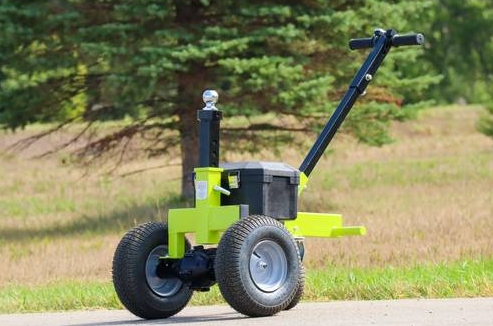
Transporting a trailer doesn’t have to be a hassle. You might be parking a motorhome in your own drive, fitting a boat trailer into a tight storage space, or moving a cargo trailer in a garage. Whatever it is, a trailer dolly is the ingenious, easy solution that takes all the hassle out of it.
What Is a Trailer Dolly?
A trailer dolly is a handy, portable device that can be utilized to push or pull trailers by hand or with power, particularly when a tow vehicle won’t easily fit. It attaches to your trailer hitch and allows you to pull, steer, or push it safely and accurately. Some typical applications are moving RVs, boats, utility trailers, and cargo trailers in tight areas like garages, camps, and storage units.
Why Use a Trailer Dolly
Convenient Movement in Restricted Space
Trailer dolly can assist users in the movement of goods or vehicles from cramped garages or warehouses, conserving space and enhancing efficiency while working. This makes it priceless for individuals who park trailers in restricted spaces.
No Need to Tow Vehicle
You will not have to tow your car when you need to move your trailer once you use a dolly. This is particularly useful in making adjustments or reorganizing within small spaces.
Improved Safety and Control
It is possible to move the dolly slowly and under controlled circumstances, making it much safer than a tow truck to maneuver in tight spaces. Products such as our swivel trailer jack lifting stand with base have dynamic load ratings of up to 10,000lbs, providing safe handling even when hauling heavy loads.
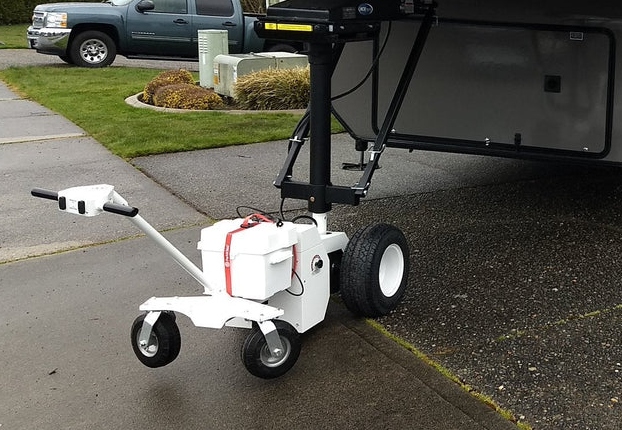
How a Trailer Dolly Works
Manual vs. Motorized Models
- Manual dollies are dependent on your strength. They’re light, cheap, and best for small trailers or short distances.
- Motorized dollies, like Go Trailer’s Electric Trailer Dolly For Easy Pulling, have a built-in 48V 550W motor that powers the wheels forward or in reverse at about 6–7 meters per minute, making heavy trailer handling quite easy.
Weight Distribution and Balance
Always have your trailer tongue weight directly above the dolly’s wheels. The correct balance is a promise of stability, anti-tip safety, and improved traction—particularly on uneven surfaces.
Steering and Maneuverability
Most dollies also have swivel handles or turn wheels to provide easy directional control. Go Trailer’s Jockey Wheel with Brake has a side-winding handle which offers effortless, slight adjustments.
Trailer Dolly’s Key Features
Build Quality and Materials
We have senior welders, professional engineers, experienced workers, and a series of highly automated production equipment, which ensures products strictly go through quality checks. Galvanized steel frames are used for most of our dollies, for the purpose of long durability and protection against corrosion.
Weight Capacity Options
We have a range of products with varying models and payload capacity—from light payloads like the European-style jockey wheel with a 300lbs maximum payload capacity, to heavy-duty models like the swivel trailer jack lifting stand supporting up to a 12,000lbs static load capacity.
Motorized Models by Go Trailer
Our top motorised equipment is the electric swivel bracket trailer jockey wheel, which has not only high torque but also higher safety in the form of its auto brake system and iron wheels with rubber coverings for better grip on surfaces.
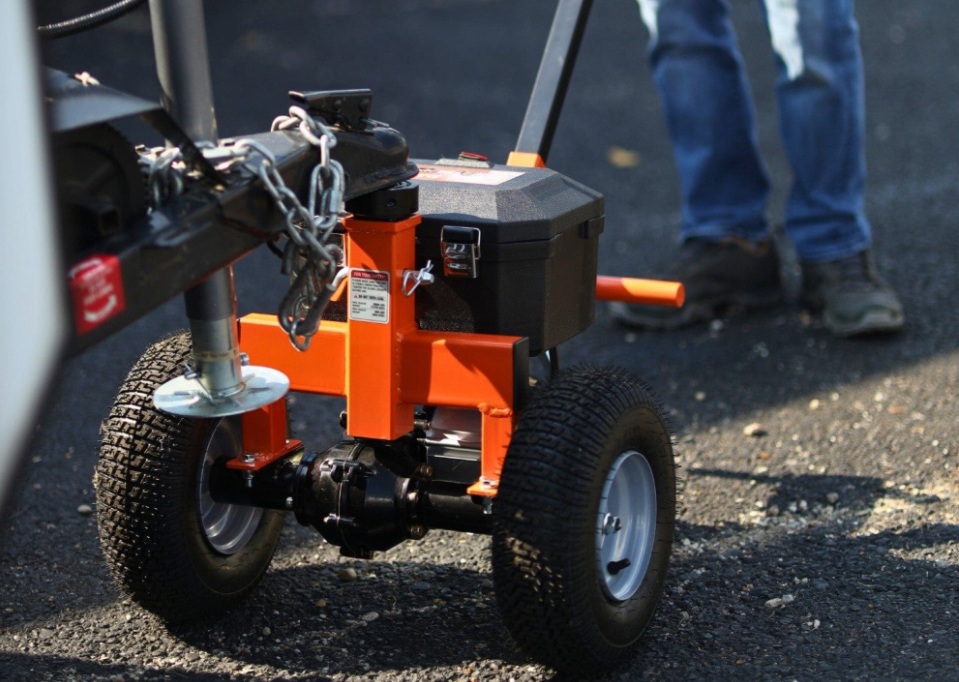
Selecting the Ideal Go Trailer Dolly
Taking into Account Your Trailer Type
Every trailer requires something different. For example:
- For beach trailers for boats: use our specially designed versions that are beach wheels.
- For RVs: Use jacks of greater capacity, such as our dual wheel trailer jack with bracket, for stability.
Matching Weight Capacity
Always use a dolly of a higher capacity than the tongue weight of the trailer. For instance, if your setup requires about 500kg of support close to the front end, our 498KG max payload-rated electric jockey wheel is appropriate.
Considering Terrain and Use
If you’re working on uneven terrain or gravel, select models with bigger pneumatic tires or dual-wheel designs like the dual-wheel trailer jack, which has improved traction and stability.
Maintenance and Safety Tips
Before Each Use
- Inspect bolts, tires, and handles for wear or corrosion.
- Ensure the hitch ball and coupling are securely locked before movement.
- When operating on slopes, engage the brake immediately when stopping.
Cleaning and Storage
After each use—especially near saltwater—rinse off dirt or mud to prevent rust. Store your dolly in a dry place away from direct sunlight. Even though Go Trailer’s galvanized coatings resist corrosion, routine care extends lifespan significantly.
Common Uses for Go Trailer Dollies
RVs and Campers
Trailer dolly can also be utilized to tow RVS or campervans in a bid to facilitate users to park at campsites or relocate vehicles. This makes them ideal travel companions in outdoor activities where accuracy in parking is most critical.
Boat Trailers
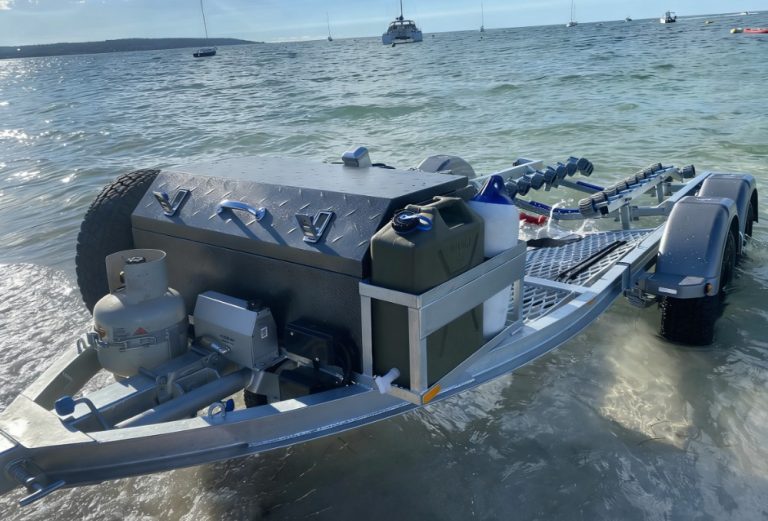
Trailer dolly also comes in handy in transporting small boats easily from storage yards downwards to launching sites—particularly when utilized along with beach wheels in vehicles such as our specially tailored cars delivered to Donald Co.Ltd customers in Australia.
Utility and Cargo Trailers
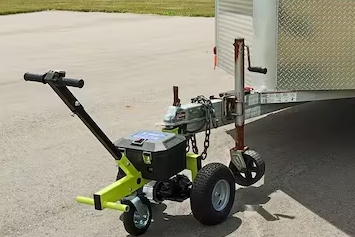
In relocating cargo within storage warehouses or dealing with several utility trailers outdoors, our dollies make logistics easier without you needing full-sized vehicles every time you want things rearranged in a hurry.
Conclusion
As one of China’s top manufacturers of heavy-duty towing equipment such as jockey wheels, winches, couplers—and of course—trailer dollies, we pride ourselves as one of China’s top trailer parts manufacturers. Whether parking an RV into position at campsites or keeping your boat in dry dock for months of the year, Go Trailer has got you covered with rugged solutions created out of real-world practicality.
FAQ
Q: What is a trailer dolly used for?
A: A trailer dolly is to hand push or motorized push trailers in tight areas where it would not be practical to have a tow vehicle. It assists you in moving RVs, boats, cargo trailers, and utility trailers easily and safely.
Q: Do I go manual or motorized on a trailer dolly?
A: Manual dollies are most suitable for light trailers and small distances, while motorized dollies offer powered support for heavy trailers and heavy use with more ease of use and convenience.
Q: What do I use to select the correct trailer dolly for my trailer?
A: Recall your tongue weight, trailer type, ground surface, and usage frequency. Always choose a dolly that is rated higher than your tongue weight and for the ground surface, e.g., dual wheels on gravel or pneumatic tires on an uneven surface.
Q: Will a trailer dolly work on uneven ground or a slope?
A: Yes, but be even more cautious. Always balance equally and brake when going downhill on slopes. Auto-brake models offer you greater safety from slopes and rocky roads.
Q: How do I keep my trailer dolly working well?
A: Inspect bolts, tires, and moving parts every so often for rust and wear. Clean mud or saltwater out after every use and place it in a dry area to get the most out of its lifespan.

 English
  Spanish
  Arabic