

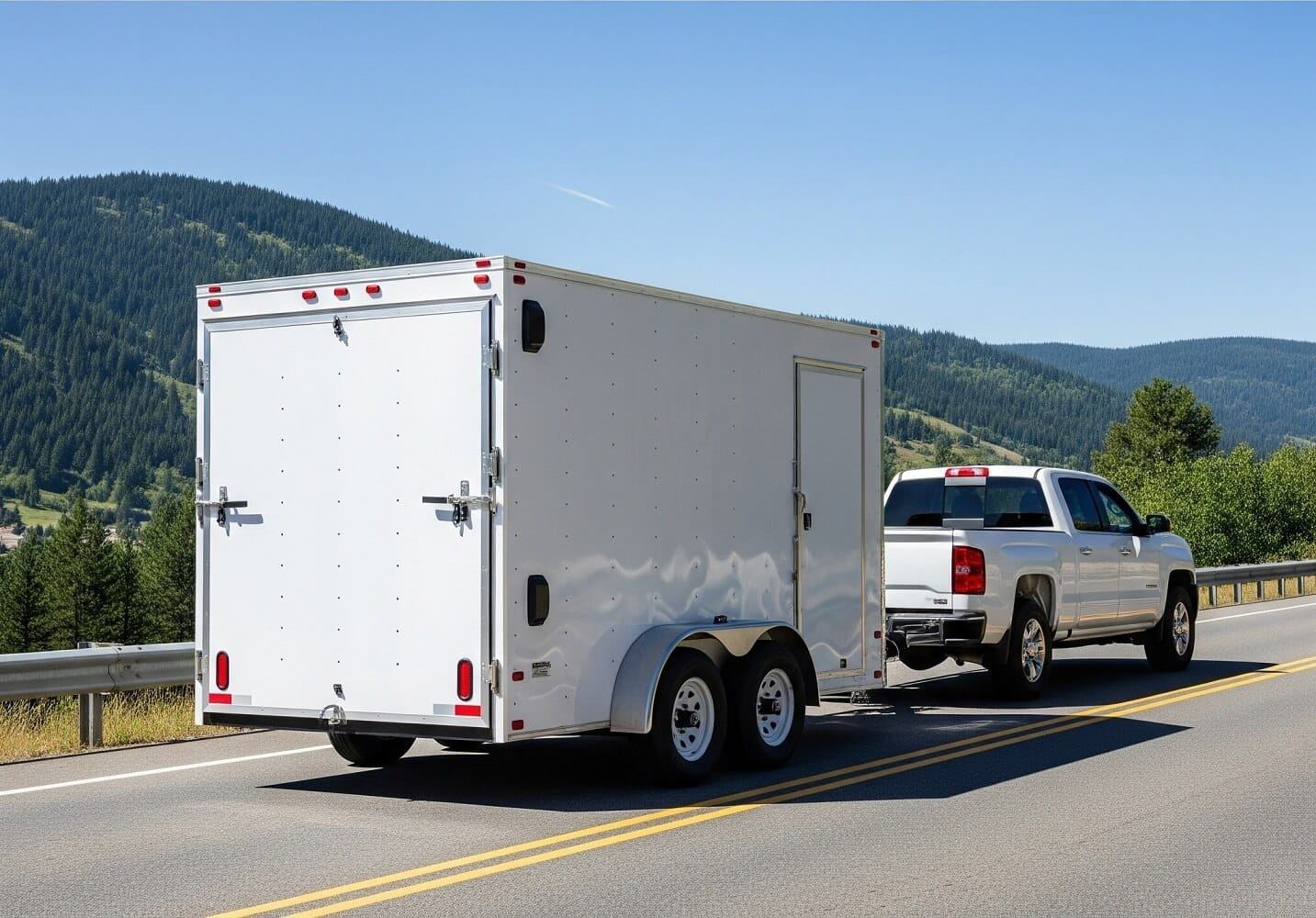
Picture getting ready for a short trip. You connect your trailer. Then you look underneath. Those shiny metal parts now have an ugly orange-brown coating of rust. Many owners feel a sudden worry about safety and repair bills when they see this.
At Go Trailer, we know your trailer means more than just tools. It supports your work or fun outings. Disc brake systems, especially the Disc Hub, face the most exposure. They deal with constant rubbing, water, and dirt from the road. So they wear out first from weather effects. But rust does not always mean your trailer is doomed. You can build a solid upkeep plan. This turns problems like “rust and rot” into strengths like “reliability and resilience.”
Surface Rust vs. Deep Corrosion: What You Need to Know
Distinguishing between minor oxidation and structural damage is the first step in effective trailer care. While both involve the reaction of metal with oxygen, their impact on your towing safety is vastly different.
Why Surface Rust Appears After One Rainy Night
A light layer of rust on the rubbing area of your Disc Hub after rain or damp air is common. Brake rotors use cast iron or high-carbon steel to manage heat well. These materials react with water right away to form oxide. Often, this quick “flash rust” comes off during your next stops. The brakes clear it naturally.
When Rust Becomes “Rot”: The Danger of Pitting
Trouble starts when light rust grows into serious decay or “pitting.” Water and salt seep into the metal over time. They create rough spots.
- Reduced Braking Power: Deep corrosion prevents the brake pads from making full contact with the rotor.
- Heat Dissipation Issues: Rust acts as an insulator, causing the hub to overheat during long descents.
- Structural Integrity: Long-term neglect leads to metal fatigue, which can result in catastrophic failure under heavy loads.
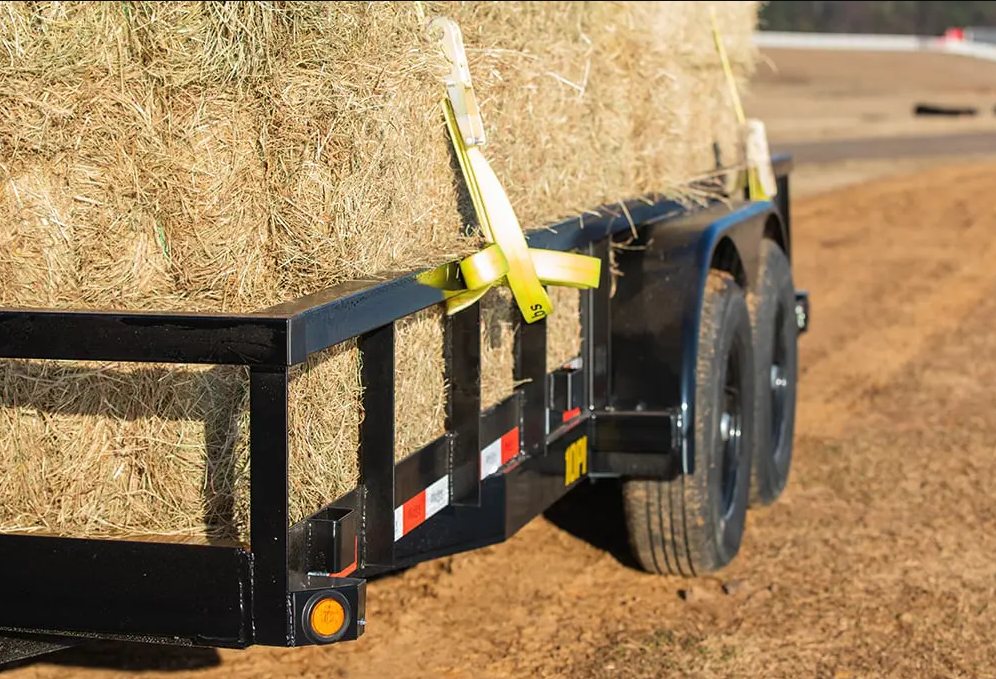
Proactive Maintenance: Tips to Extend Your Disc Hub Lifespan
Taking steps ahead saves money and keeps your trailer running longer. Here are key upkeep steps we suggest at Go Trailer.
The “Cool Down” Rule: Why Immediate Washing After Travel is a Mistake
A big error is cleaning the trailer right after a long drive. Your Disc Hub gets hot from stopping. Cold water on it then causes “thermal shock.”
- This can lead to warping of the rotor surface.
- Micro-cracks may form, providing a gateway for deep corrosion to take hold.
- Our Advice: Always wait at least 20–30 minutes for the hubs to reach ambient temperature before cleaning.
Cleaning Protocols for Coastal and High-Humidity Areas
Near the sea or on roads with winter salt, salt attacks hardest.
- Freshwater Rinse: After every trip to the coast, rinse the hub assembly thoroughly with low-pressure freshwater.
- Non-Greasy Cleansers: Use specialized brake cleaners that remove salt residue without leaving oils that could compromise braking friction.
Storage Strategies: Protecting Your Hubs During the Off-Season
For months of storage, water gets stuck in the wheel parts.
- Elevate the Axles: If possible, keep the tires off the ground to prevent moisture wicking from the soil.
- Protective Coverings: Use breathable covers to prevent dew and rain from pooling around the brake system.
- Periodic Movement: Move the trailer slightly every few weeks to ensure the brake pads don’t “seize” or bond to the rusted rotor surface.
Why Go Trailer Disc Hubs Stand Out Against Corrosion
As a trusted maker, Go Trailer builds our Disc Hub items to handle tough conditions. We offer more than pieces. We give you confidence through better building methods.
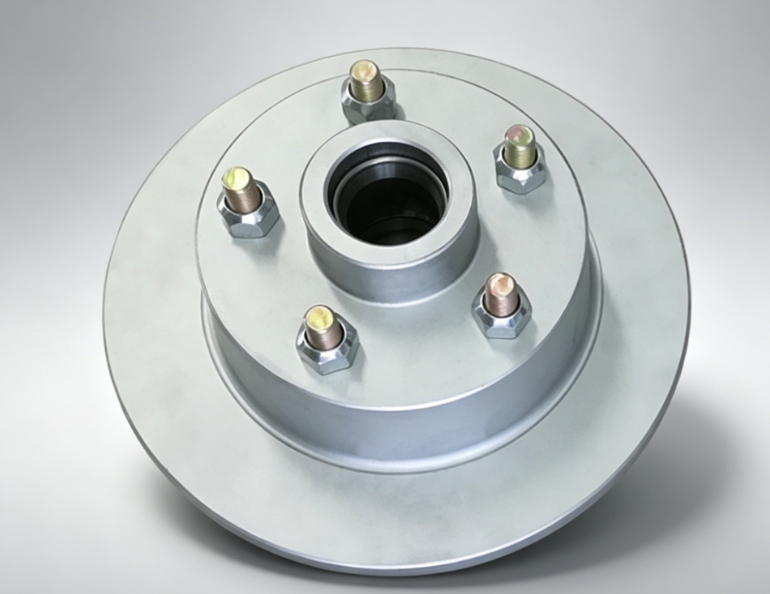
Advanced Anti-Corrosion Coatings and Material Engineering
Our Disc Hubs get high-quality galvanized or special Dacromet treatments. These beat regular paint because they:
- Provide a sacrificial layer that prevents oxygen from reaching the core metal.
- Offer superior salt-spray resistance, essential for marine applications.
- Maintain a professional, clean appearance for a longer lifecycle.
The Power of Specialized Design for Marine and Heavy-Duty Use
We see that a boat trailer in a wet area needs different features than one in dry land. Our items include:
- Optimized Venting: Improved air-flow design to reduce heat buildup.
- Precision Stud Patterns: Available in various PCD configurations (e.g., 5-stud 114.3mmor 6-stud 139.7mm) to ensure a perfect fit and balanced rotation, which reduces uneven wear.
Customized Solutions for Specific Load and Environmental Requirements
At Go Trailer, we think one type does not suit every job. We provide customized help for your work or home needs:
- Customized coating thickness for extreme saltwater exposure.
- Customized hub dimensions and load capacities ranging from 1000KG to 1500KG.
- Customized technical drawings to match your unique axle specifications.
Application Scenarios: Where Performance Meets Reliability
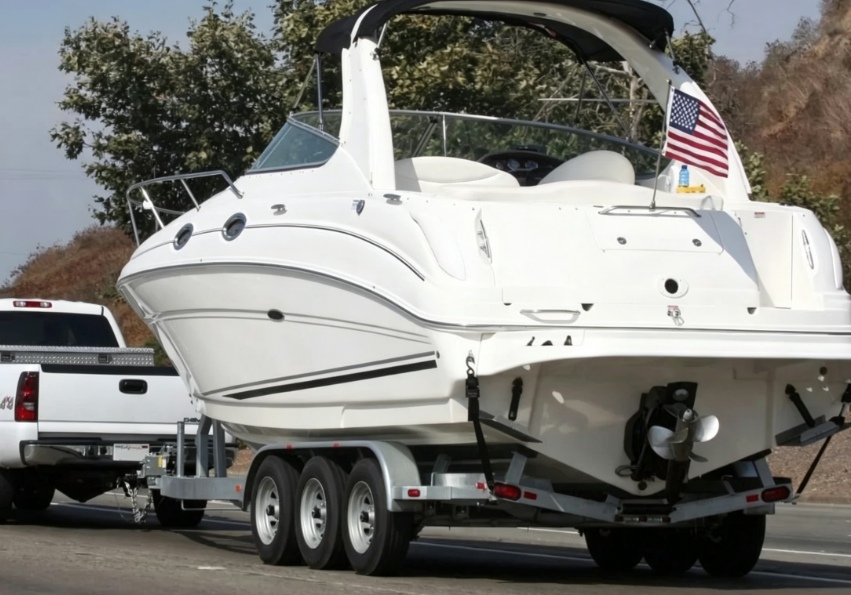
To see why a good Disc Hub matters, think about its toughest jobs:
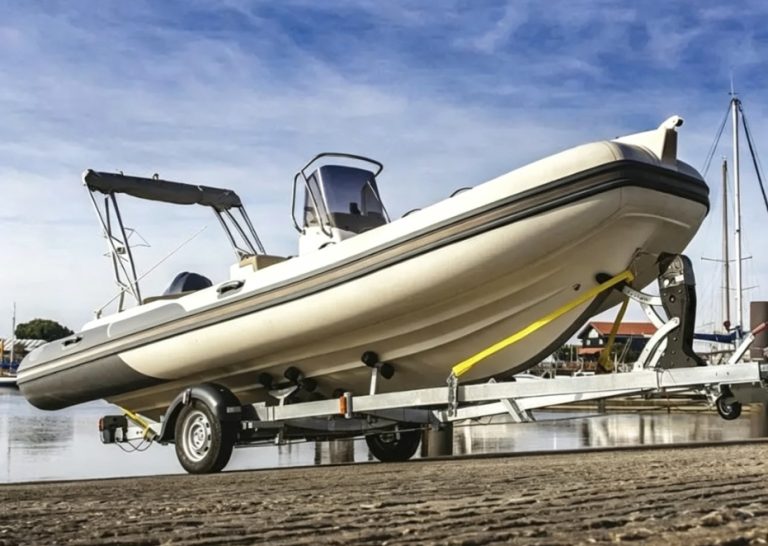
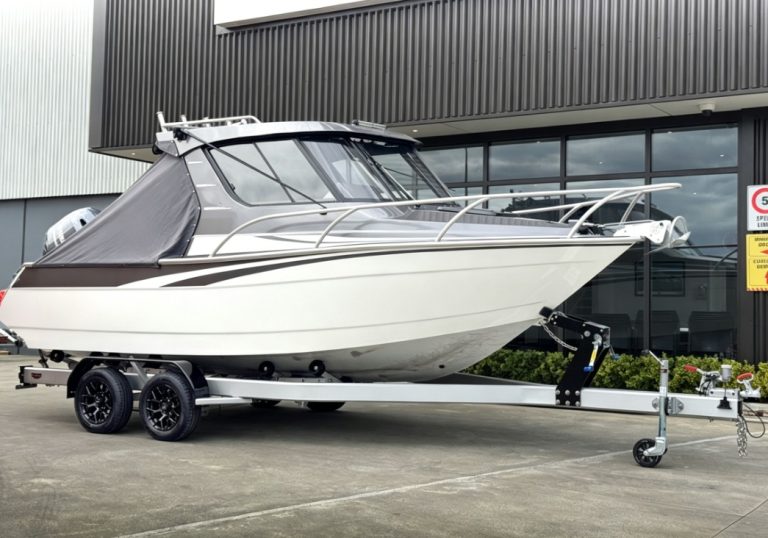
- Marine and Boat Trailers: When you back your boat into the water, the hubs are completely submerged. Standard hubs would corrode within months. A Go Trailer galvanized Disc Hub handles these “dunking” cycles, preventing the brakes from seizing during the drive home.
- Long-Distance Logistics: Heavy trailers hauling equipment across mountain passes face extreme heat. Our hubs manage the thermal load efficiently, preventing the “rot” that occurs when overheated metal is exposed to road spray.
- Agriculture and Construction: In muddy or dusty environments, debris often gets trapped. Our design allows for easier cleaning and features a robust surface that resists the abrasive wear caused by grit and soil.
Conclusion: Protect Your Investment Today
Rust comes from nature, but it should not control how long your trailer lasts. Pick the best parts and stick to a clear upkeep routine. Then your trailer stays dependable for years.
Ready to upgrade your trailer’s defense against rust?
If you want a basic swap or a customized strong setup for your group, Go Trailer helps with trailer safety and long life.
Contact Go Trailer today for our latest Disc Hub catalog or to discuss your customized manufacturing requirements!
FAQ
Q: Can I use WD-40 or oil to prevent my Disc Hub from rusting?
A: Absolutely not. Never apply oil, grease, or WD-40 to the friction surface of the hub. This will lubricate the brakes, making it impossible for the pads to grip the rotor, which will lead to total braking failure. Use only dedicated brake cleaners.
Q: My trailer has been sitting for six months, and the brakes feel “sticky.” Is it the rust?
A: Yes, it is likely that surface rust has created a bond between the brake pads and the Disc Hub. You should inspect the system for deep pitting. If the rust is heavy, the hubs may need professional resurfacing or replacement to ensure safety.
Q: How often should I inspect my trailer’s disc system for corrosion?
A: For standard use, a thorough inspection every six months is recommended. However, if you are using a boat trailer in saltwater, you should perform a visual check and a freshwater rinse after every single use.
Q: Is a Disc Hub better than a Drum Hub for preventing corrosion?
A: Generally, Disc Hubs are easier to maintain because they are an “open” system. This allows you to rinse away salt and debris easily. Drum systems are “closed,” which can trap moisture and salt inside, leading to hidden corrosion that is harder to detect.
 English
  Spanish
  Arabic