

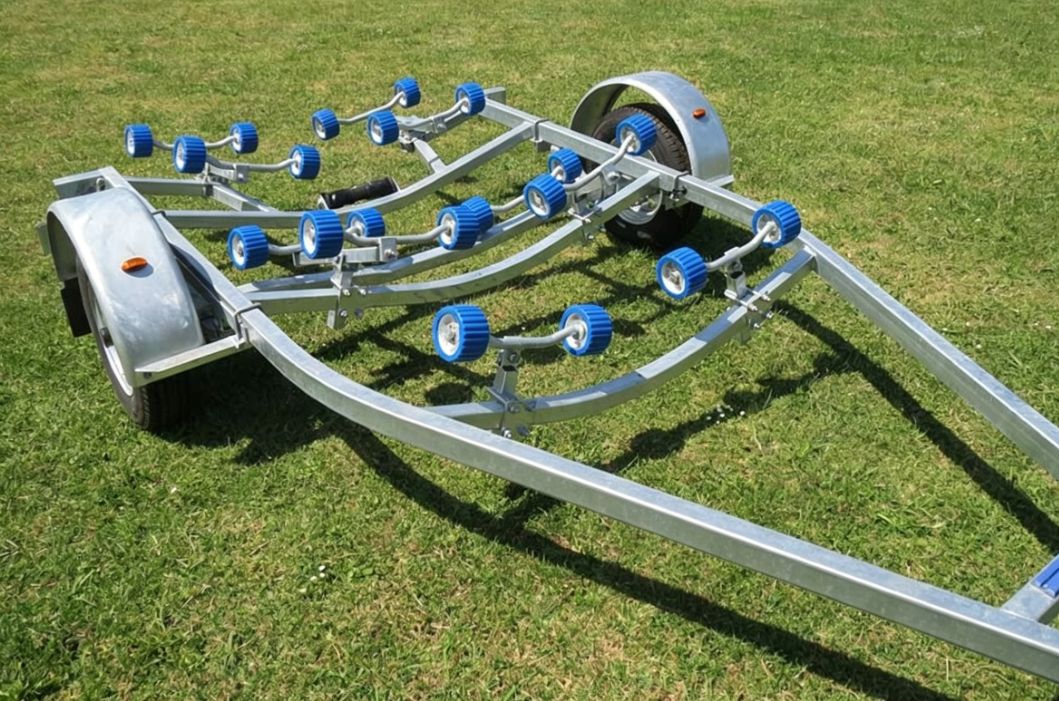
Putting your boat in the water marks a fun start to the weekend. But coming back to the ramp and dealing with a boat that sits unevenly can spoil the mood fast. If you’ve cranked the winch until your arms hurt or kept reversing into the water to fix the position, your roller group setup is probably at fault. At Go Trailer, we see a trailer as more than a basic frame with wheels. It serves as a carefully built device to simplify your time on the water. Based in Qingdao, China, Go Trailer supplies a full range of trailer items, from single pieces to complete, strong setups for boats. Our parent firm has focused on trailer tires and wheels for over 15 years. We build items that meet the ISO9001 quality mark. This guide covers typical loading problems from bad or off-kilter rollers. It also explains how to solve them for good.
Common Symptoms of Faulty Roller Groups
Off-Center Loading and Hull Misalignment
Customers at Go Trailer often mention that their boat always ends up shifted to one side. This uneven spot usually points to a roller group that lacks balanced help or direction. If one part of the roller setup sits lower or feels firmer, the boat hull shifts to the easier route. Such a slant not only appears sloppy but also leads to unsafe load balance on your Axle and Spring parts while towing.
Excessive Resistance During Manual Winching
When pulling feels like a constant battle, your roller group may hinder rather than aid the process. Good rollers turn without effort, easing the pull needed from your Winch. Go Trailer stocks different winch types, such as manual or power models with choices in wire rope or braided belt sizes. Yet a strong winch can’t perform well if rollers stick or if the hull scrapes a fixed spot. That drag wears out the winch gear early and adds stress to the Coupler and Hitch ball setup.
Diagnosing Mechanical Roller Group Failures
Identifying Seized or Flat-Spotted Rollers
After regular use, the inner bearings in a roller group can give out, particularly without fresh water rinses after saltwater dips. We craft trailers from solid steel and aluminum blends at Go Trailer. But active components demand routine checks. A stuck roller fails to rotate. As a result, the hull rubs across it, forming “flat spots” on the roller’s face. At your next service, test each roller by hand. If it doesn’t roll easily, swap it for an original Go Trailer replacement to get back to normal operation.
Checking for Bent Brackets and Hardware
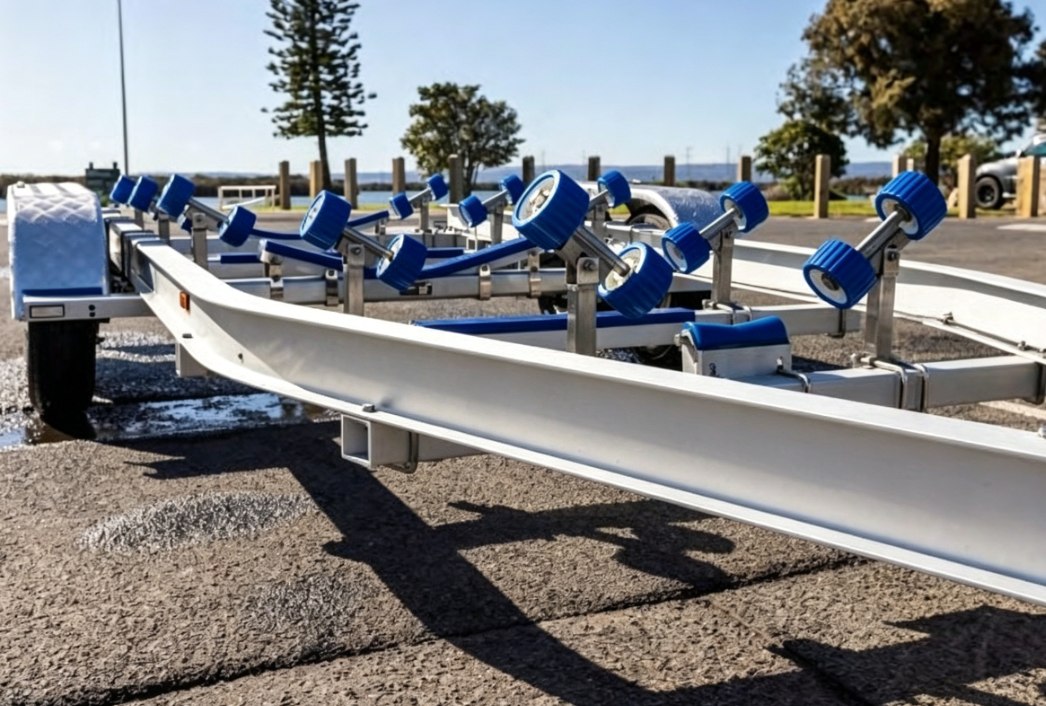
The mounts securing your roller group face heavy force during boat pulls. Go Trailer employs skilled engineers and welders to make brackets that handle such pressure. Still, a bump at the dock might twist them. A small bend in the mount’s position can make the boat rise wrongly on the rollers. So, examine all fittings, like U-bolts and base plates, for bends or heavy rust that might weaken the build.
Inspecting the Surface Material Condition
The roller’s outer layer in your roller group counts as much as its inner workings. Softer types offer solid hold and care for fiberglass boats. Firmer ones suit aluminum hulls better. Cracks or flaking on the roller’s skin can scratch your boat’s surface. Go Trailer aims for lasting builds. We also provide Customization to pick exact materials and styles for trailer elements, including springs and rollers, suited to your boat’s build.
Addressing Mismatched Equipment and Setup Errors
Correcting Improper Roller Height and Angle
A typical mistake sets rollers at different levels. Every roller group needs tuning so the boat’s weight spreads flat over all parts. High rear rollers, for example, make the bow hard to align with the front Winch post. Go Trailer uses tools like laser cutters and CNC setups for exact frames and fix points. However, tweaking for your hull creates a natural centering pull.
Solving Weight Distribution and Spacing Issues
Load balance goes beyond the Axle. It involves how the boat rests on the roller group. On bigger rigs like our 5250mm*1500mm Boat Trailer with a 750KG Payload, rollers should back the hull’s key supports, often the side runners. Wide spacing lets the hull bend or sag, complicating the winch pull. Proper roller placement steadies the boat. It also guards your gear’s strength.
Matching Roller Hardness to Hull Material
The wrong roller type for your hull leads to pull troubles. A firm roller might slide on a damp surface. A too-soft one could cling overly, building drag. As an established builder, Go Trailer advises on fitting components, from Jockey wheels to Hubs and Rollers. This matches your trailer’s balance to boating tasks.
Upgrading to Professional Go Trailer Solutions
Features of the 5250mm Boat Trailer
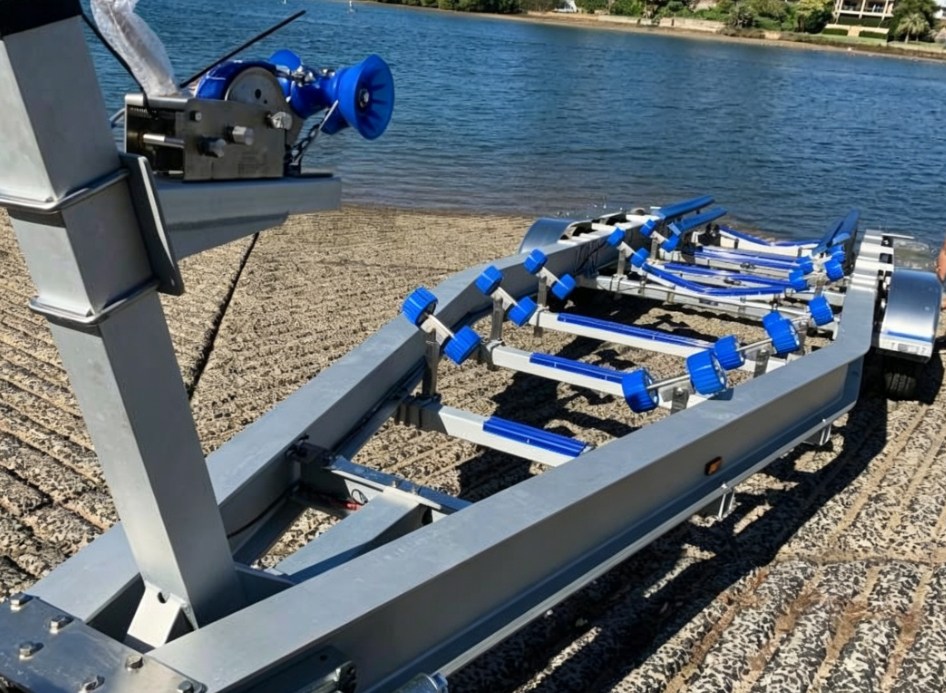
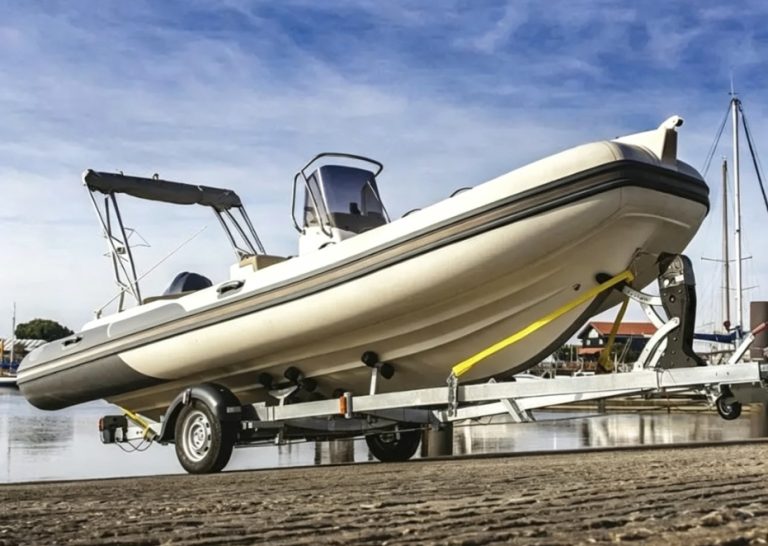
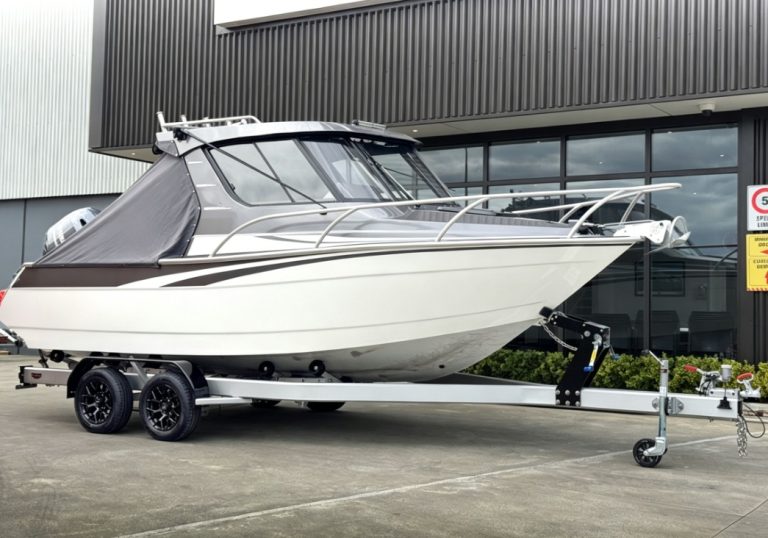
If fixes keep cropping up, consider a switch. Our 5250mm x 1500mm Boat Trailer targets everyday loading snags head-on. It has a galvanized coat against rust. Plus, it packs quality roller groups, a firm jockey wheel, a solid coupler, and a capable winch. These pieces team up for effortless boat placement.
Custom Roller Configurations for Specialized Hulls
Boats vary widely. That’s why Go Trailer delivers broad Customization options. Need a special jockey wheel arrangement, winch style, or roller group for a jet ski or one-off yacht? Our techs assist. We handle it all, from sourcing basics to finish touches, based on your input.
Integrating High-Performance Winches and Couplers
Pair a tuned roller group with top accessories for the best results. Our 1-7/8″ ball trailer coupling takes a 2000KG load with a hot-dip galvanized shield for long wear. Combine it with an Adjustable Trailer Hitch Ball Mount rated at 10000lbs. Then your tow system matches the trailer’s power. Using all Go Trailer items creates a matched setup for lasting, simple work. Towing pros praise this combo for handling rough coastal paths without hitches.
Proactive Maintenance Tips for Smooth Loading
Lubrication Requirements for Moving Parts
Regular oiling keeps a roller group going strong. Apply saltwater-safe grease to roller axles at least yearly. This avoids sticking problems and lets your boat slide on with little push. While working, inspect the Jockey wheel and Winch motion to maintain full system flow.
Post-Saltwater Rinse and Visual Inspections
Salt harms every trailer piece. Our builds, including the 7 x 14 Hydraulic Tipper Trailer and boat models, use finishes like Spray molding or Galvanized coatings. Yet, wash your roller group with fresh water after each saltwater run. A fast check of the hub, axle, and light spots for minor flaws early. This stops big breakdowns at the ramp.
Replacing Worn Hardware Before Failure
Swap parts before they snap. If a roller group roller shows splits or a bolt has deep rust, act now. Go Trailer simplifies this as your full-service source for Wheel and Tire, Axle and Hub, and Spring swaps. Dealing straight with us skips dealer delays and cuts costs.
Conclusion
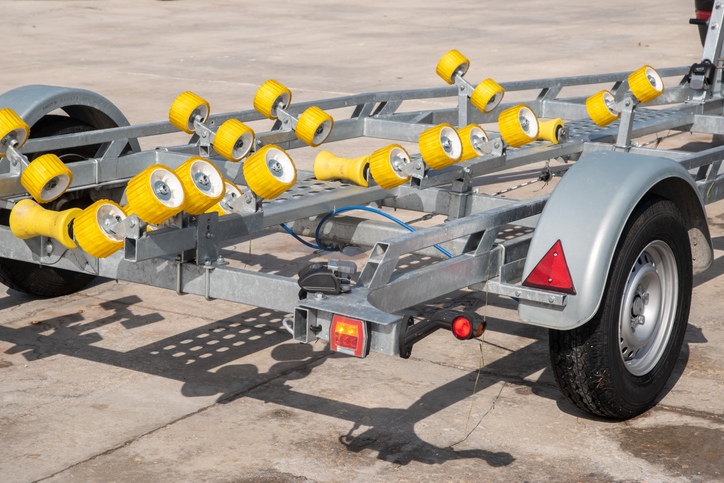
A broken roller group often causes ramp struggles. But you can fix it without ongoing hassle. Spot signs like shifts or drag soon. Make sure your setup follows Go Trailer’s strict build rules. Then enjoy calm boat ride again. From quick tunes to a tough Go Trailer boat trailer, the aim stays consistent: a snug match each time. Our ISO9001 standards and over 15 years in the field mean every supplied part tackles water challenges. This gives you dependable gear to enjoy the waves, not fuss with the trailer.
Don’t let loading issues ruin your day—upgrade to a premium Go Trailer roller group or boat trailer. Contact us today!
FAQ
Q: Why is my boat loading crooked on the trailer?
A: Uneven roller group settings, with one side raised, or a stuck center keel roller usually cause this. Without proper hull guidance, the boat veers to the low-effort side. That leads to a slanted or offset spot.
Q: How do I know if my trailer rollers need replacing?
A: Look for cracks, flat wear from static boat weight, or worn inner bearings. If a roller won’t turn smoothly by hand, check the Go Trailer parts list for a new one. Our experience shows early swaps prevent most drag problems.
Q: Should I use rollers or bunks for my boat trailer?
A: Bunks work well for road trips with steady support. But roller groups suit quick ramps better, especially shallow ones. They cut drag a lot, making the winch use simpler without hard pulls. A ramp user preferred rollers for 15-minute solo loads versus bunk waits.
 English
  Spanish
  Arabic